| Place |
Pilot |
Race No. |
Aircraft |
Speed |
Time |
| 1 |
Paul Mantz |
46 |
P-51C | 460.423 | 4:42:14 |
| 2 |
Joe DeBona |
90 | P-51D | 458.203 | 428:15 |
| 3 |
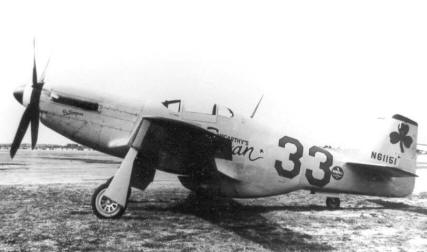
Ed Lunkin |
33 | P-51D | 408.723 | 5:00:43 |
| 4 |
Bruce Gimbel |
13 | P-51B | 404.080 | 5:04:10 |
| 5 | William Eddy | 31 | P-51D | 376.549 | 5:26:25 |
| 6 | Tom Mayson | 60 | P-51C | 376.084 | 5:26:49 |
| 7 | Gene Whitton | 99 | FG1 | 320.025 | 6:24:04 |
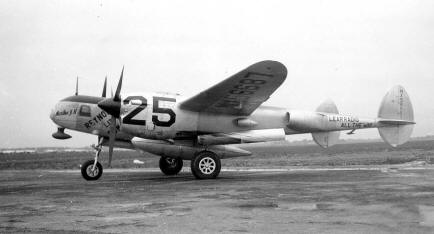
| 8 | William Lear Jr | 25 | F-5G | 292.680 | 6:59:57 |
| 9 | Jane Page Hlavcek | 63 | F-5G | 247.812 | 8:15:59 |
| Jim Ruble | 88 | P-38 | - | 1 | |
| Dianna Cyrus | 91 | A-26 | - | 2 | |
| Joe Kinkella | 92 | P-63 | - | 3 | |
| Bill Odom | 42 | P-47M | 4 |
1 Bailed out over Arizona
2 Landed in Michigan
3 Landed at Pueblo, Colorado
4 Did not start, fuel leak
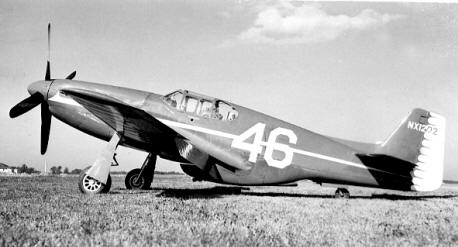
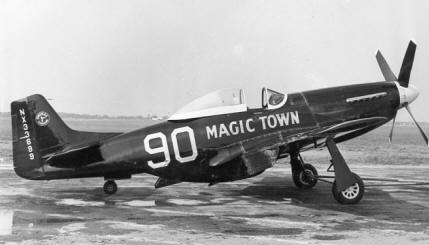
Paul Mantz DeBona
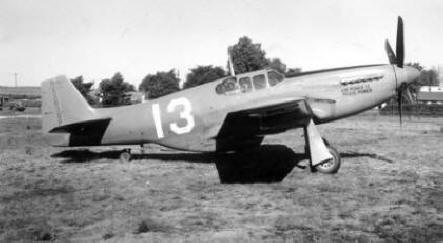
Bruce Gimbel
Ed Lunkin
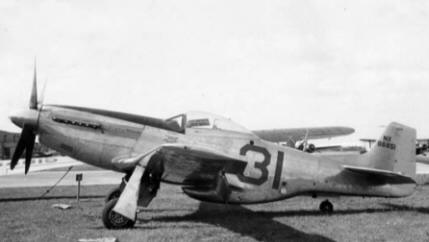
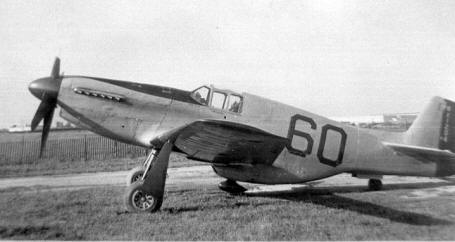
William Eddy Tom
Mayson
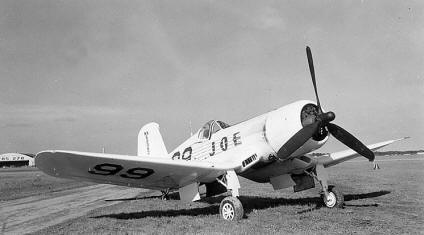
Gene Whitton
Wm Lear Jr.
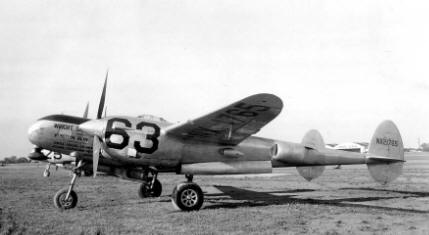
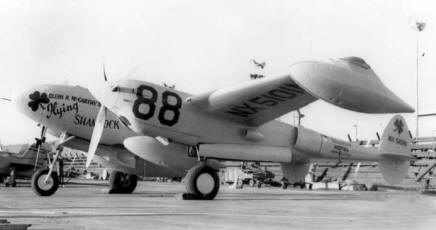
Jane Page Hlavcek
Jim Ruble
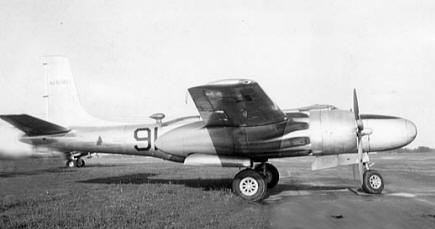
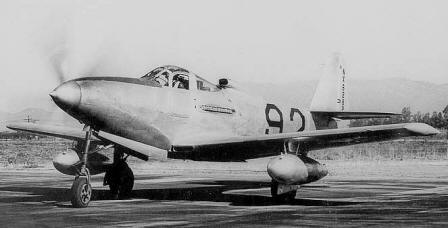
Dianna Cyrus
Joe Kinkella
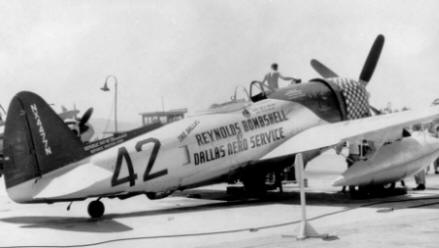
Bill Odom
Bendix "J" division
|
Place |
Pilot |
Aircraft |
Speed |
Time |
|
1 |
Col. Leon Gray | FP-80A | 507.225 |
402:10 |
| 2 | Maj. Clay Albright | P-80A | 486.280 | 1 |
| 3 | Capt. W.S. Patterson | P-80A | 463.968 | 2 |
| 1st Lt. E. A. Klapel | P-80A | 3 |
1 & 2 Landed in Dayton OH due to weather
3 Landed in Kansas, engine problem
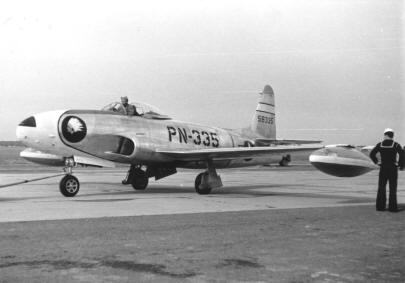
(Lucabaugh) Kevin Grantham Collection
Col. Leon Gray
SOHIO (Standard Oil of Ohio) sponsored the $5,500 P-38 race.Sohio
provided
the fuel for most of the air racer's, they also provided the fuel
for the Wright
Brothers first flight in 1903. No
time trials, limited to 12 racers due
to the
racehorse start. Outcome of the race depended
largely on flying skill, especially
on rounding pylons and the ability to
improve the aircraft's speed.
Lockheed test pilot Tony LeVier who helped develop the P-38
"Lightening" that
proved itself in air
battles over Germany and in the Pacific theater made the
Sohio a one man
race. Tony in his bright red No 3 took the lead in the first lap and
finished the race two
miles ahead of the field. J.D. Reed
Of Houston Texas
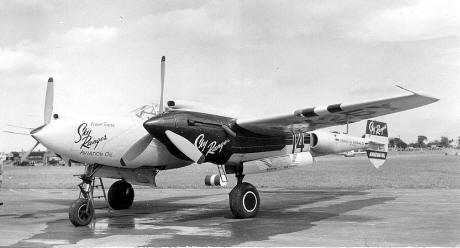
entered two P-38's, Charles Walling flew
No 14 "Sky Ranger" to second place
and Ivis Hill flew No 66 "Green Hornet " to third.
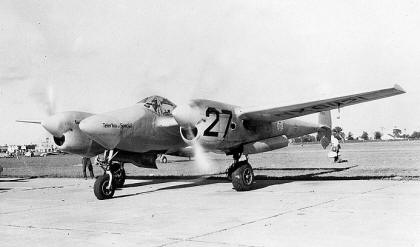
John Thompson's No 27
was forth and Sonny Hlavacek was a rather slow fifth flying a tired No 63 that his
wife flew in the Bendix
"R" Division.
SOHIO Trophy Race
105 miles 7 laps of a 15 mile course
|
Place |
Pilot |
RaceNo |
Aircraft |
Speed |
|
1 |
Tony LeVier |
3 |
P-38L | 360.866 |
| 2 | Charles Walling | 14 | P-38 | 351.785 |
| 3 | Ivis Hill | 66 | P-38L | 347.391 |
| 4 | John Thomson | 27 | P-38 | 328.739 |
| 5 | Sonny Hlavacek | 63 | *F-5G | 270.197 |
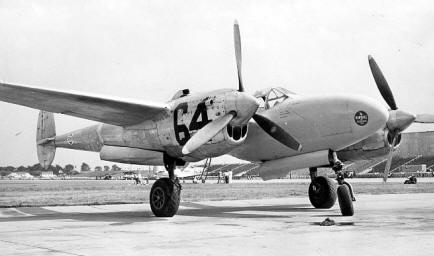
| John Saun | 64 | P-38 | 1 | |
| William Lear Jr. | 25 | *F-5 | 2 |
*Photo version of the P-38
1 Out 1st lap
2 Disqualified
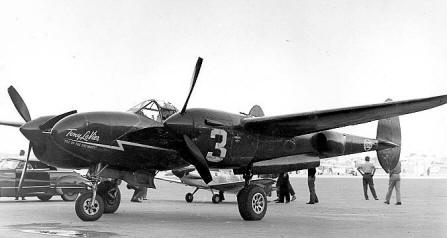
Tony LeVier
Charles Walling
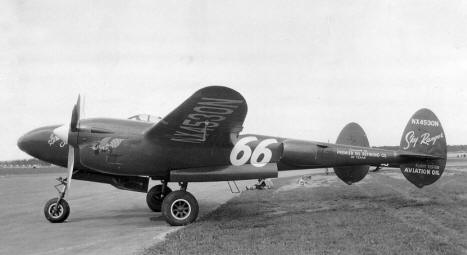
Ivis Hill
John Thompson
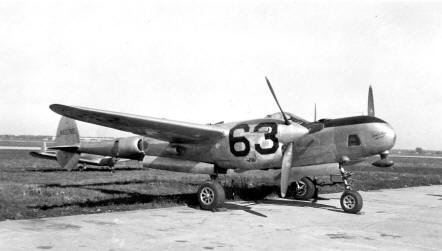
Sonny Hlovacek
John Saun
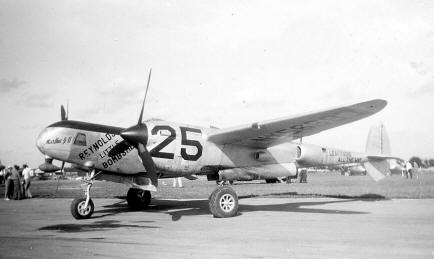
William Lear Jr.
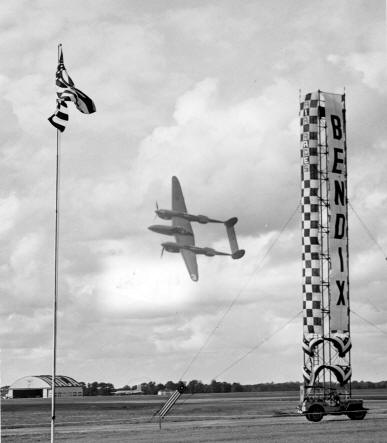
Did anyone fly lower than Tony LeVier ?.
Also new this year, The Kendall Oil Co. sponsored
$5,500 P-51 Race. Kendall Oil
Company
had been a generous supporter of air racing for many pre-war years.
Kendall Oil Co. reportedly offered a 10% bonus to winning flyers using
Kendall Oil.
Woody Edmundson was first off the field and
first to turn the scatter pylon, not far
behind was Steve Beville flying No 77 that took forth place
in the 1946 Thompson.
On lap four, Edmundson's engine began to fail
allowing Beville to take the lead.
Believing he had enough
altitude
to bail out Edmundson
removed his shoulder
straps, but the A-36 was loosing altitude too fast to jump. Sliding
across the ground
the plane hit a tree, the impact caused serious injury, from which he
later recovered.
Jack Hardwick was out in lap three and Anson Johnson
in lap 5, both with engine
problems. Beville went on to win the first
Kendall race at a record closed course
speed of 384.6 mph.
Kendall Trophy Race
105 miles 7 laps of a 15 mile course
|
Place |
Pilot |
Race No |
Aircraft |
Speed |
|
1 |
Steve Beville |
77 |
P-51D | 384.602 |
| 2 | Kendall Everson | 44 | A-36A | 377.926 |
| 3 | Woody Edmundson | 15 | A-36A | 372.392 |
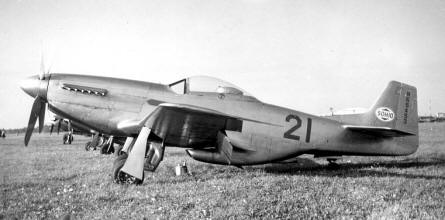
| 4 | MW Fairbrother | 21 | P-51D | 367.035 |
| 5 | William Murray | 31 | P-51D | 357.084 |
| Jack Hardwick | 34 | P-51C | 1 | |
| Anson Johnson | 45 | P-51D | 2 |
1 Out 3rd lap
2 Out 5th lap
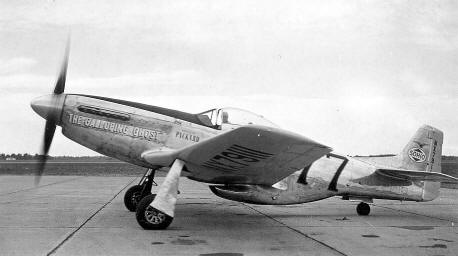
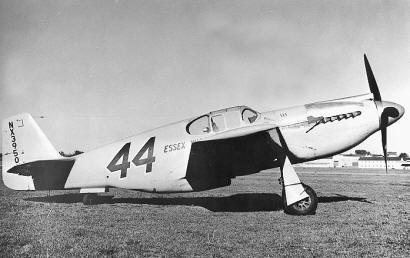
Steve Beville
Kendall Everson
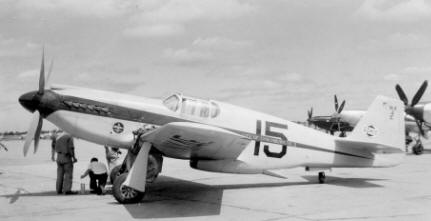
Woody Edmondson
MW Fairbrother
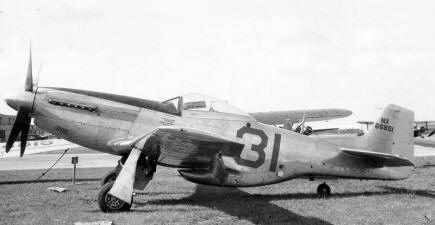
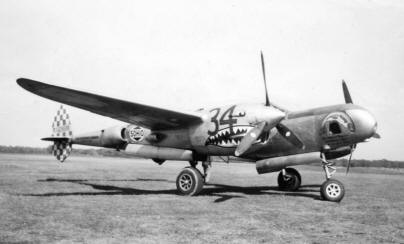
William Murray
Jack Hardwick
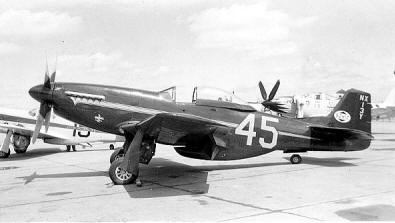
Anson Johnson
The Tinnerman
Company started out as a local west side Cleveland manufacture of hi-end
kitchen ranges, when the
National Air Races came to Cleveland they were one of many companies
eager to add their support. The Tinnerman
name appeared on some Benny Howard’s
racers. Albert Tinnerman, son of
the founder created
a
spring steel
fastener known as the "SPEED NUT". This speed nut was
used on all aircraft manufactured in the USA for WW II.
Air Race Veteran Steve Wittman
led the pack for the first four laps but engine trouble caused Steve to
reduce power
on lap four. Ken Knight, 21 year old former Air Force fighter
pilot moved into first place and Charlie Tucker moved
past Steve into second place on lap six. Unable to bring the
power back up, Steve had to settle for third place. Ken
developed a slight leak in the water-alcohol line
sending fumes into the cockpit. He was lucky to be
able to finish.
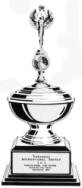
Tinnerman Trophy Race
105 miles 7 laps of a 15 mile course
|
Place |
Pilot |
Race No |
Aircraft |
Speed |
|
1 |
Ken Knight |
51 |
P-63A | 352.168 |
| 2 | Chas Tucker | 30 | P-63C | 347.657 |
| 3 | S J Wittman | 4 | P-63C | 367.035 |
| 4 | A T Whiteside | 87 | P-63 | 313.513 |
| 5 | William Bour | 55 | P-63A | 254.913 |
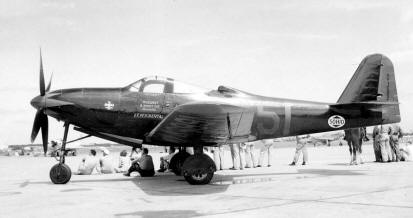
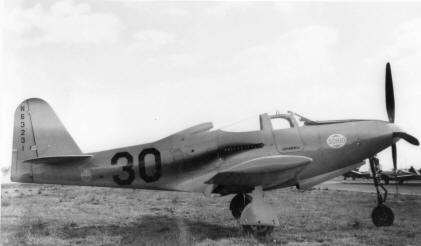
Ken Knight
Charlie Tucker
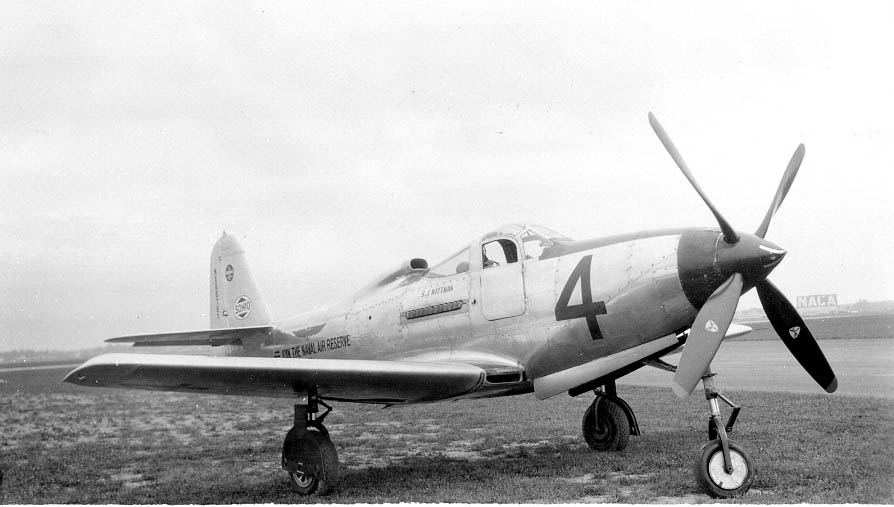
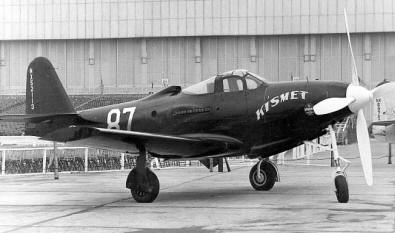
Steve Wittman
A T Whiteside
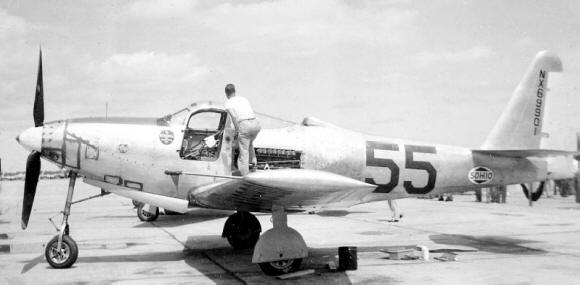
Wm Bour
Allison Trophy Race
500 mile Cross Country dash from
Cleveland to Indianapolis and return
|
Place |
Pilot |
Race No |
Aircraft |
Speed |
|
1 |
Capt. Bernor |
8384 |
FP-80 | 494.297 |
| 2 | Capt. Bishop | 8302 | P-80A | 480.425 |
| 3 | Lt Col. Schilling | 5464 | P-80A | 478.227 |
| 4 | 1st Lt. LaRose | 8355 | P-80A | 471.523 |
| 5 | Capt. Wisner | 8303 | P-80A | 457.588 |
Goodyear Trophy Race
The new light plane race sponsored by the Goodyear
Tire & Rubber Co. of Akron Ohio
was an immediate success, most of the 2.2 mile race course was in view
of the stands.
The idea for the midget-plane was thought up at the
1939 pre-war Cleveland National
Air Races but did not go beyond the idea stage due to the
war in Europe. The rules for
this race were written for the "back-yard mechanic"
without a lot of money to spend.
The design had to be built around a stock 85 hp engine,
fixed pitched propeller and
a non-retractable landing gear. Due to the large
number of entries the race was run in
elimination heats of 10 laps, semi-final heats of 15 laps and
final race consisted of 25
laps around the short rectangular course.
Final race of the Goodyear Series.
|
Place |
Pilot |
Race No |
Aircraft |
Speed |
|
1 |
Bill Brennand |
20 |
Buster | 165.857 |
| 2 | Paul Penrose | 5 | Swee' Pea | 165.393 |
| 3 | Fish Salmon | 4 | Cosmic Wind | 158.798 |
| 4 | Tony LeVier | 3 | Little Tony | 157.851 |
| 5 | Warren Siem | 44 | Loose Siem | 151.270 |
| 6 | B F Robertson | 19 | Brown Spec | 143.865 |
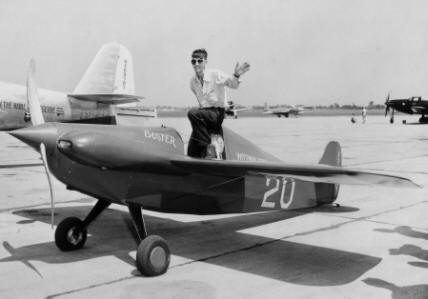
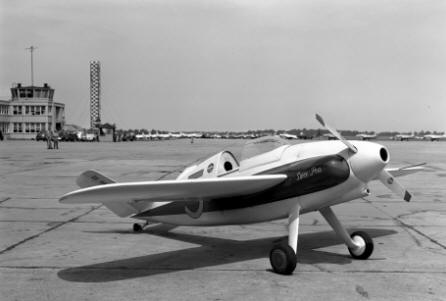
Bill Brennand Paul Penrose
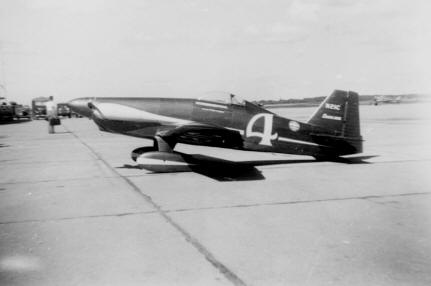
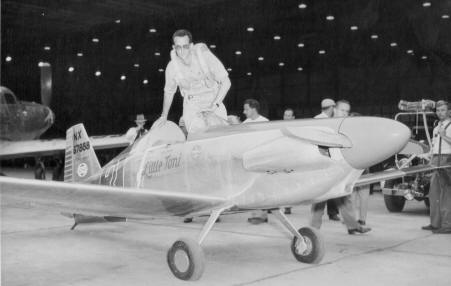
Fish Salmon Tony LeVier
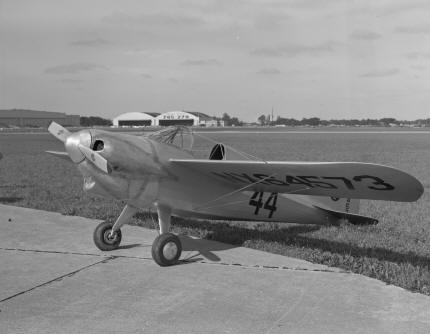
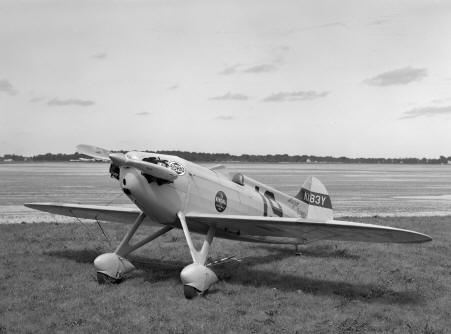
Warren Siem
BF Robertson

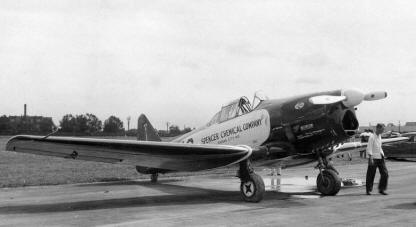
The up-scale Halle Department Store again promoted women in aviation by supplying prize
money and a great trophy for the
women-only Halle Race.
Limiting the race to AT-6 and SNJ
aircraft, the
ladies had modified each one.
Absent was Marge Hurlbert, winner in '46, killed in
a air show accident in July. Jane Page who was
a very close second in the 1946 race was
considered a favorite to win. One new entry this year
was Dori Marland, a Hollywood actress
and former WASP squadron commander in WW II Marland's AT-6 was
modified with a Ranger
inline engine and carried a very attractive red,
white & blue paint job. Another new entry was
Edna Whyte, a veteran of many air races. Another
new entry was Ruth Johnson who took the
lead on take-off followed very close by Dori Marland. The Ranger
engine was not up to the task
and Marland was forced to put the AT-6 down in a field with
little damage to the plane, she was
not injured. Ruth Johnson led the five laps of the fifteen mile race
course to win the Halle Trophy.
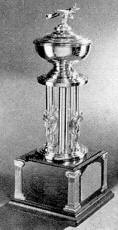
Halle Trophy Race
75 miles 5 laps of 15 mile course
|
Place |
Pilot |
Race No |
Aircraft |
Speed |
|
1 |
Ruth Johnson |
75 |
AT-6 Spec | 223.390 |
| 2 | Grace Harris | 44 | AT-6 Spec | 215.090 |
| 3 | Edna Whyte | 42 | SNJ-2 Mod | 210.789 |
| 4 | Jane Page | 83 | AT-6 Mod | 209.356 |
| 5 | Anna Logan | 65 | AT-6 Mod | 186.851 |
| Dori Marland | 49 | AT-6 Mod | 1 |
1 Crashed not injured
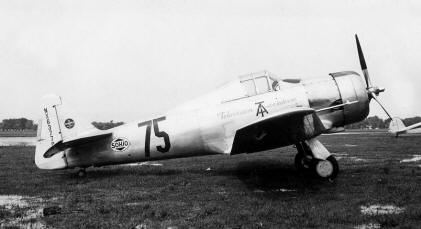
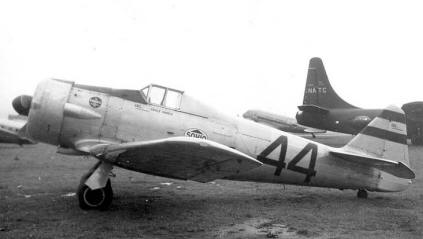
Ruth Johnson
Grace Harris
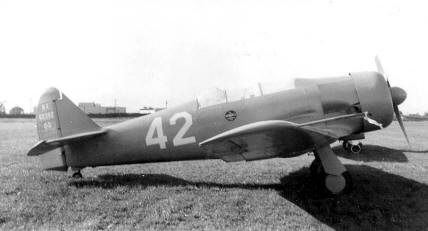
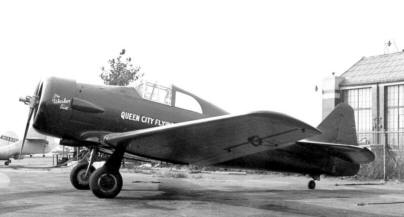
Edna Whyte
Jane Page
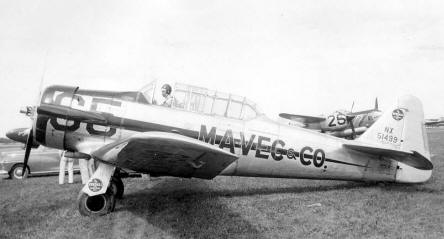
Anna Logan Dori Marland
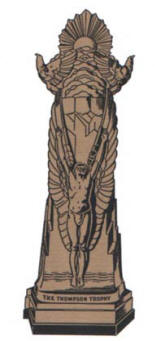
The Thompson Trophy Race
Thompson "R" division
300 miles 20 laps of a 15 mile course
| Place | Pilot | Race No | Aircraft | Speed |
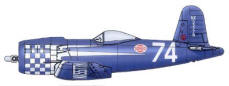
| 1 | Cook Cleland | 74 | F2G | 396.131 |
| 2 | Dick Becker | 94 | F2G | 390.133 |
| 3 | Jay Demming | 11 | P-39Q | 367.625 |
| 4 | Steve Beville | 77 | P-51D | 360.840 |
| 5 | Tony LeVier | 3 | P-38L-5 | 357.488 |
| 6 | William Bour | 55 | P-63A | 357.465 |
| Ron Puckett | 18 | F2G1 |
1 |
|
| Woody Edmundson | 15 | P-51A | 2 | |
| Paul Penrose | 37 | P-51D | 3 | |
| Tony Jannazo | 84 | F2G1 | 4 | |
| Joe Ziegler | 82 | P-40Q | 5 | |
| Chas Walling | 14 | P-38J | 6 | |
| Jack Hardwick | 34 | P- 51C | 7 |
1 Out 19th lap, engine problems
2 Crashed 11th lap, injured
3 Out 6th lap, engine problems
4 Crashed 7th lap, fatal
5 Bailed out 14th lap, injured
6 Out 2nd lap, engine problems
7 Crashed 1st lap, uninjured
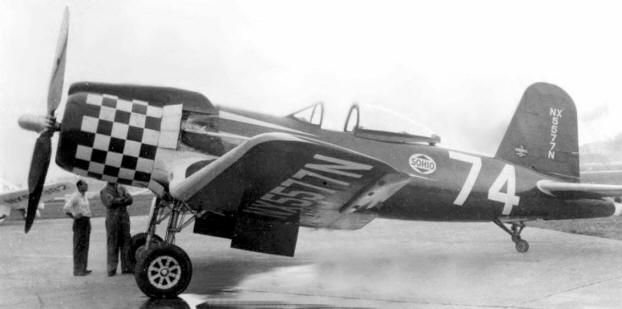
Cook Cleland acquired four
surplus Navy
Goodyear built F2G Corsairs, three to be
flown and one for static display or parts.
Cook flew # 74 which had a distinctive
experimental air scoop. The sub-rudder
was removed and the flaps were secured
in the up position. Cook was a dive bomber
pilot in the South Pacific, retired from the
United States Navy as a Captain.
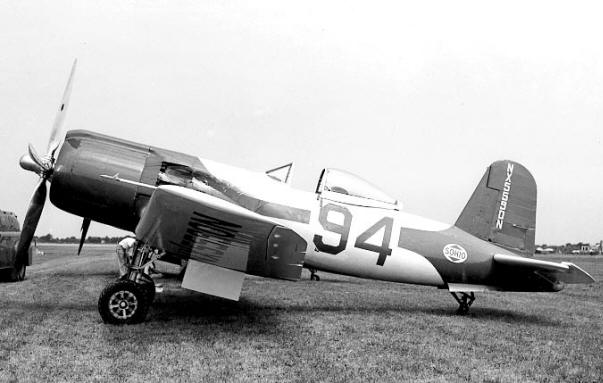
The
second Cleland Corsair No 94 was flown
by Cook's close friend Dick Becker. Also a
ex-Navy pilot, Dick learned to fly at Pearl
Harbor on week ends and became an enlisted
pilot. Retired from the Navy as a Lt. Jg.
He
spent a thousand plus hours in flying boats in
the South Pacific theater. Dick was also a test
pilot for the Navy.
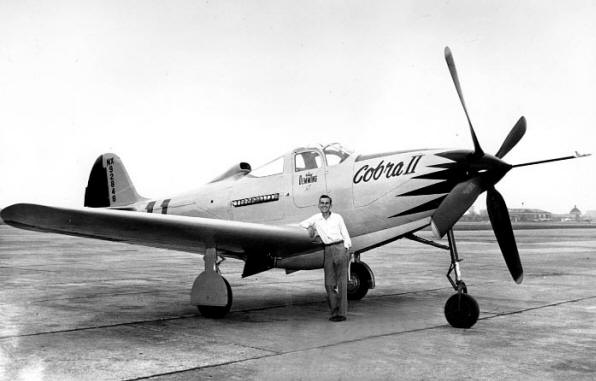
Last year's winner Alvin "Tex" Johnson, test pilot
for Bell Aircraft Co. was restricted from flying in
this years National Air Races by Bell. Another
Bell test pilot, Jay Demming had to resign his job
to enter the Thompson Trophy Race. With all the
modifications Cobra II was a rather un-stable
aircraft requiring a pilot with great skill like a test
pilot to control it.
(Bill Meixner collection)
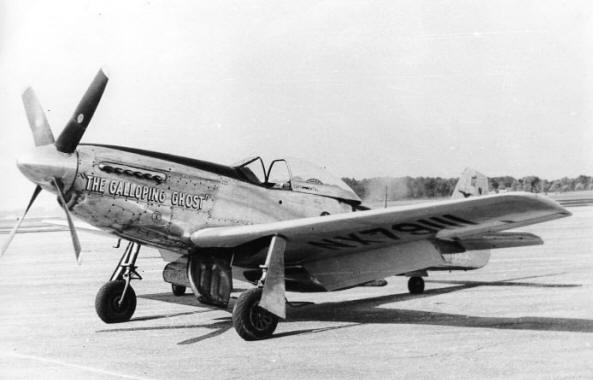
Steve Beville, winner of the SOHIO Trophy
Race managed a very respectable
fourth
place against some pretty great
odds as
his P-51-D was a basically
stock aircraft.
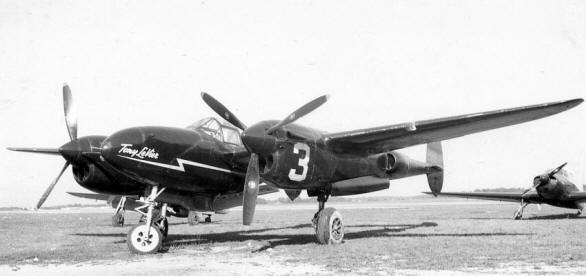
Tony LeVier's P-38 L-5
was outclass by the
big-bore Corsairs and the highly-modified
Bell P-39-Q winner of last years Thompson.
Tony had to depend on his years of racing
experience and skill of a test pilot to place
fifth. He beat Bour's P-63-A by only three
hundred's of a second.
Bill Bour
also flew his P-63 A No 55 in the
Tinnerman
Trophy Race for P-63's only
a short time
before Thompson Trophy,
placing fifth
in the Tinnerman.
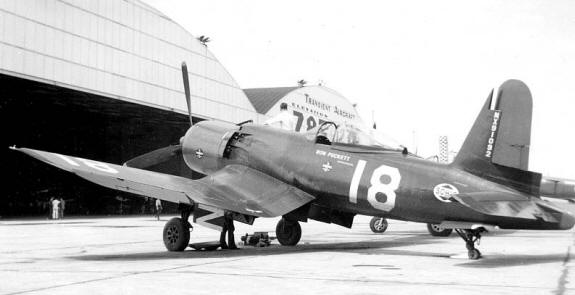
Ron Puckett another ex-Navy pilot was also able to
acquire a F2G Corsair. this one had very few
modifications, note the sub-rudder still attached.
Ron retired from the United States Navy as a
Commander and went to work for the FAA.
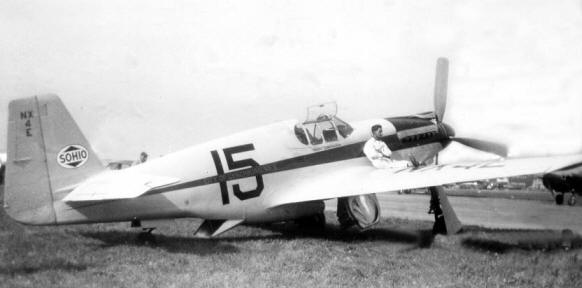
Woody Edmundson was back with an A-36
"City of Lynchburg"
placing third in the Kendall
Trophy Race. On lap No 11
somewhere south
of the airport the engine
exploded, Woody
release his harness in
order to jump free of
plane but
discovered the plane was too low.
When the plane hit the
ground, without his
shoulder harness his head
struck the instrument
panel knocking him
unconscious for a few
moments.
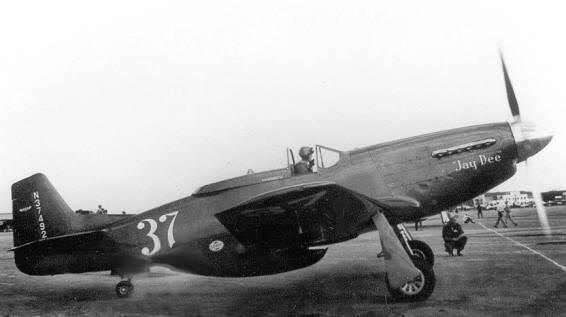
Paul Penrose was pilot of J.D.
Reed's P-51-D
painted in a beautiful bronze metallic finish.
The aircraft's name was chosen by J.D. Reed's
daughter in honor of her father. A broken oil line
sprayed oil on the upper part of the fuselage
including the windscreen, Paul had his head
partially out of the cockpit coming over the fence.
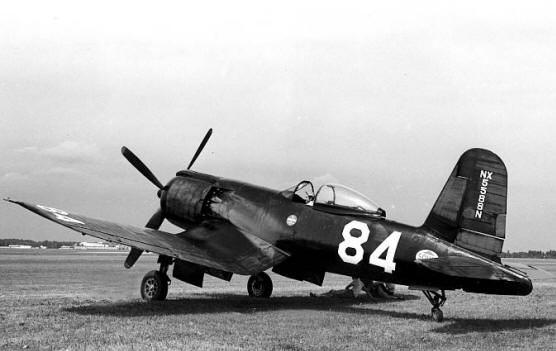
The third Cleland Corsair was
flown by Naval Reserve
pilot Tony Jannazo. No 84 was a stock airplane and
still had it's sub-rudder. Jannazo crashed South of the
airport and was killed instantly. Suspected cause of
the crash was carbon monoxide poisoning.
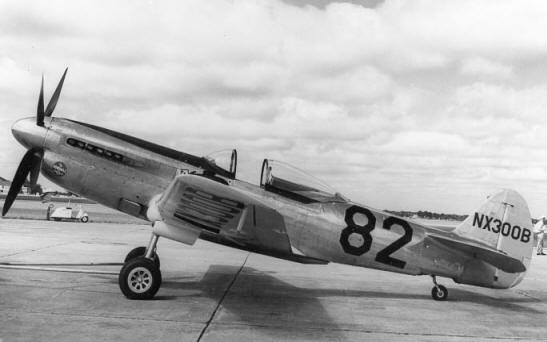
Jean "Skip" Zeigler was able to purchase a
on-of-a-kind Curtis P-40-Q. The P-40 was one
of the fighters we entered WW II with and
popularized by the volunteer group The Flying
Tigers. Spectators had trouble identifying him
as he was not listed on the program.
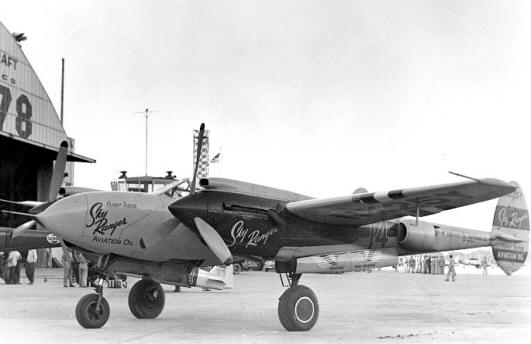
Chas.
Walling, another J.D. Reed pilot flew one of the
two P-38's entered by Reed. It was a highly modified
P-38-J with a very attractive paint job. An engine
failure
in the second lap forced him out of the Thompson.
Walling placed second in the Sohio Race behind
Tony LeVier.
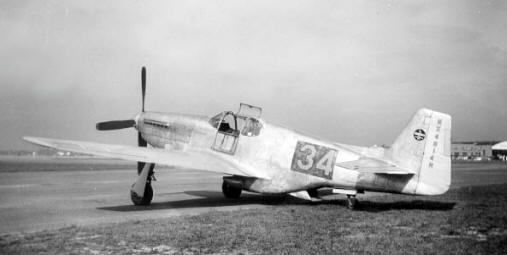
Jack Hardwick
possibly never forgot those first
four or five minutes of the Thompson when he
was turning the scatter pylon while trying to avoid
all the traffic the engine exploded. with very few
options left, Jack had only seconds to decide how
to avoid a field of parked cars. Crashing into some
trees to avoid spectators he was uninjured but
needed help freeing himself from the wreckage.
Thompson "J" division
180 miles 8 laps of a 22.5 mile course
| Place | Pilot | Race No | Aircraft | Av. Speed |
| 1 | Lt. Col. Pedit | PN 388 | P-80-A | 500.704 |
| 2 | Lt. Howard | PN 331 | P-80-A | 497.943 |
| 3 | Lt. Col. Dunham | PN 309 | P-80-A | 494.656 |
| 4 | Capt. Gates | PN 474 | P-80-A | 484.878 |
| 5 | Lt. Col. Preston | PN 342 | P-80-A | 443.169 |
| 6 | Capt. Powers | PN 334 | P-80-A | 430.234 |
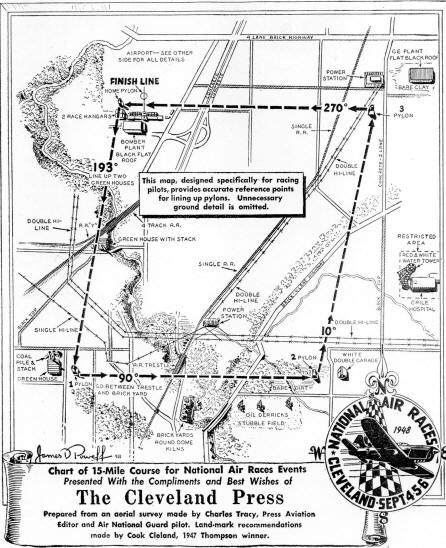
The four pylon race course used for the SOHIO,
KENDALL, HALLE
TINNERMAN, and The THOMPSON 'R' TROPHY in 1946, '47 '48.
Photos are from the Hansen collection unless otherwise noted.
Home
 Please send comments to
Bill Meixner
Please send comments to
Bill Meixner
You are the
th
person to pop in on us since Sept 18, 2008. Thank You for landing, please
go-around and land again later.
Updated Thursday, May 29, 2014