1949 National Air Races
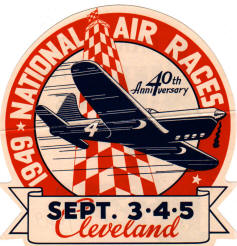
1949 Logo
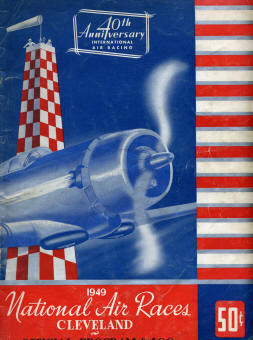
Official Program Cover
The Armed Forces pulled out all the stops this year to show
the public where their money went.
Air Force
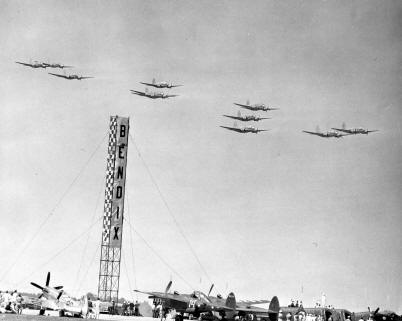
The Air Force chose Cleveland Municipal Airport as the "target" to demonstrate
the split-second
timing necessary to bring 100 aircraft to bear on
a given objective. The mighty B-36 bombers
took off from distant air bases even before spectators arrived at the air
races. From other fields
closer by, the Republic F-84 Thunder Jets became airborne as did North American
F-86 Sabers
and Lockheed F-80 Shooting Star's to a rendezvous near Cleveland Municipal
Airport and flew a
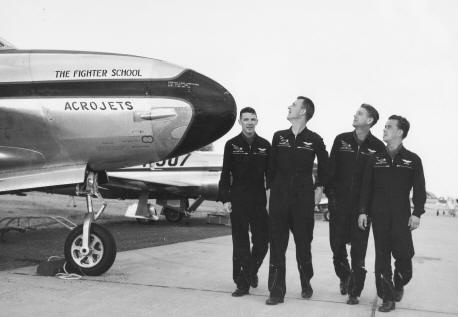
"mission" in a 30 minute show of America's Air Might. The Air Force's new jet
demonstration team
called the Acrojets thrilled the crowd with precision maneuvers flown at speeds
of 600 to 650 mph.
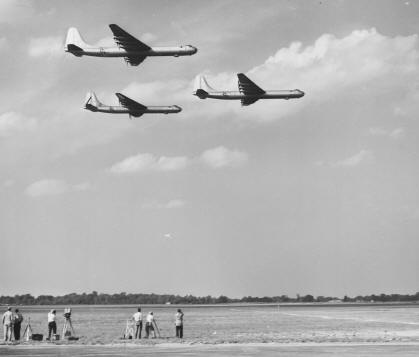
(Air Force Photo) via Kevin Grantham
B-36's from the 7th Bombardment Wing led
by
Col. John Roberts, group Commander
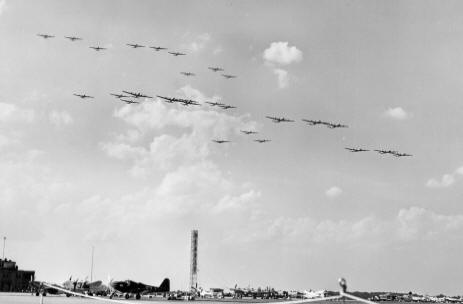
C-46's
B-29's
(Air Force Photo) via Kevin Grantham
ACROJETS
The four "Acrojets" led by Major Howard "Sweed" Jensen put
their
Shooting Star's through Immelman turns, Cuban 8s and other maneuvers
Navy
The US Navy put on an aerial three-ring circus act with a variety of acts running
simultaneously at
three
different altitudes. Ring No 1-main center of the grandstand was a low altitude
demo of
Paisccki
troop transport helicopter used by the Marine
Corps. Rings 2 and 3 were at higher
altitudes and
further out, featuring a variety of acts. The Navy's
Blue Angels led by Lt. Comm.
Dusty Rhodes
traded their gasoline powered F8-F Bearcat's in
for the new F9-F Grumman
Panther Jets.
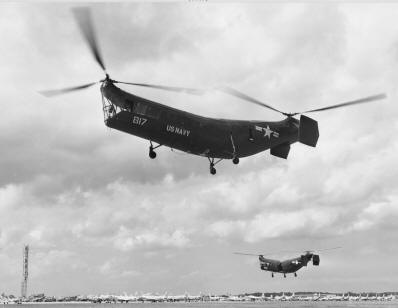
(Air Force Photo) via Kevin Grantham
Navy Piasecki Helicopters
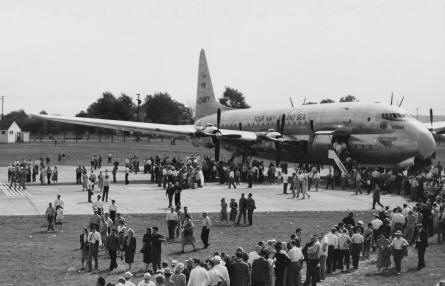
(Air Force Photo) via Kevin Grantham
New Navy Transport - Lockheed "Constitution"
Some of the other air show acts
Parachute jumping at air races has been a spectator favorite for many years,
whether it is mass
jumps, delayed jumps from high altitude, landing in a small circle or specialty
jumps like "Batman"
Tommy Boyd. Boyd jumps out of an aircraft at 10,000
feet wearing a set of "wings" attached to
his
scarlet jump suit. The bat-like wings allow him to swoop as he
descends to earth trailing a
plume
of white smoke until he finally opens the chute and glides to earth. The 40-year-old
Boyd
decided he
was getting too old for parachute jumping and decided to
switch to a milder occupation
of stunt
flying. The 1949 National Air Races would be the last time
Tommy Boyd would don his Bat suit.
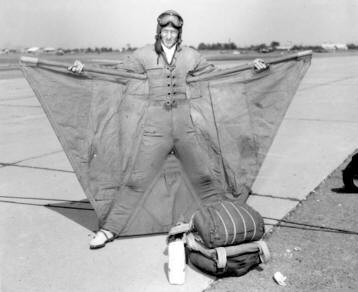
Tommy Boyd "Batman"
Betty Skelton Feminine AerobaticChampion and her Pitts Special "Little Stinker"
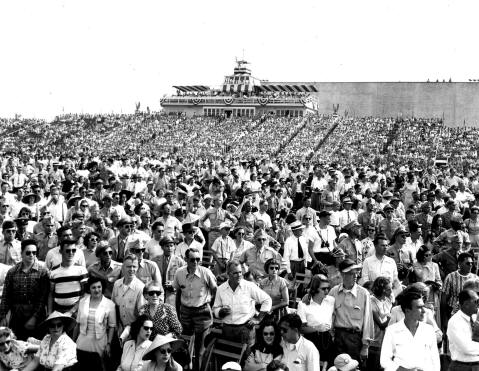
Attendance was great inside and outside the airport
(Robert Smith photo)
Bendix Trophy Race
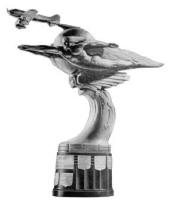
Bendix "R" division
Only six starters were in a first-ever racehorse start of the
Bendix Race at Rosamond Dry Lake, CA.
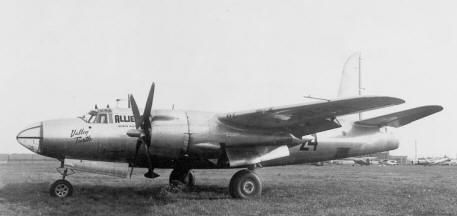
The largest ship ever entered in this race was a Martin B-26 medium
bomber flown solo by United
Airlines Captain Lee Cameron who grew up in the Cleveland suburb of Lakewood OH.
Joe DeBona
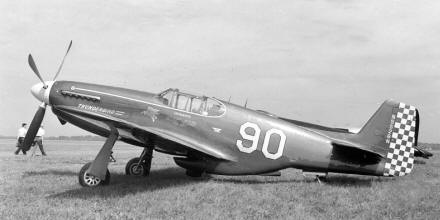
an ex Air Force pilot flying the Bendix for the third time,
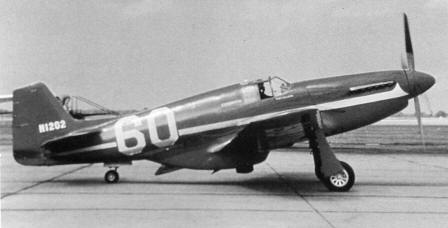
flew a P-51B Mustang sponsored by actor
Jimmy Stewart. His P-51C was refinished with no less than 48 coats of primers
and gloss cobalt blue
paint. Polished to a high shine, the paint job
reportedly added 8 mph to the speed of the aircraft.
A special propeller was installed. It was designed to increase the speed of Air Force Mustangs up to
10
mph but rejected because its service life was too short. Joe's
wet wing racerfavored by tailwinds
of
28 to 33 mph and great navigation brought him into the winners
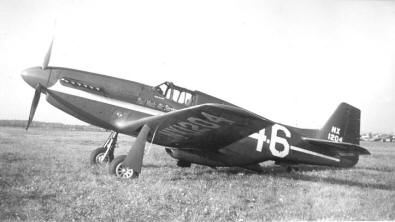
circle at Cleveland. Paul Mantz who
elected not to race this year entered two Mustangs, one flown by Stanley Reaver,
arrived 11 minutes
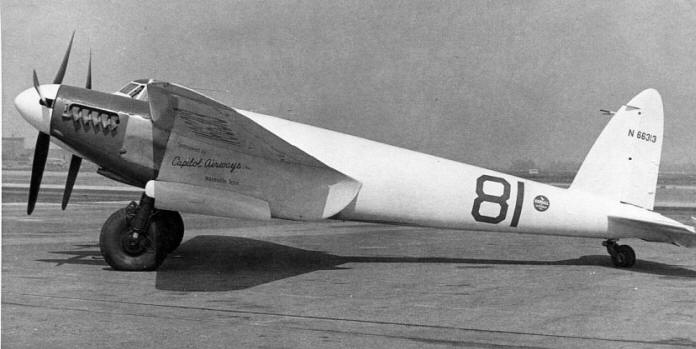
after DeBona, followed by Fish Salmon in Mantz's second racer. Don Bussart flying a MK25 Mosquito
lost his
oxygen system and one engine near the end of the race. Bussart arrived in Cleveland
before the
deadline in
fourth place. Lee Cameron's B-26 had mechanical problems and
landed at North Platte,
Nebraska
with fuel feed system problems. After repairs were made Lee took off attempting
to make
Cleveland
before the six o'clock deadline, but it was not meant to be.
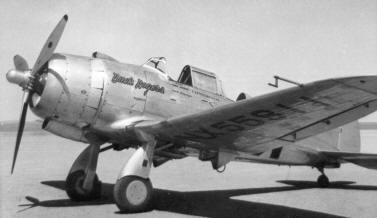
Vincent Perron pulled out of the
race at Grand Junction CO.
| Place |
Pilot |
Race No. |
Aircraft |
Speed |
Time |
| 1 |
Joe DeBona |
90 | P-51B | 470.136 | 4:16:17 |
| 2 |
Stanley Reaver |
46 | P-51C | 450.221 | 4:27:38 |
| 3 |
Herman Salmon |
60 | P-51C | 449.214 | 4:28:14 |
| 4 |
Don Bussart |
81 | Mosquito Mk25 | 343.757 | |
| L H Cameron | 24 | Martin B-26-C | * | ||
| Vincent Perron | 61 | Republic AT-12 | ** |
* Arrived after deadline
** Landed Grand Junction CO.
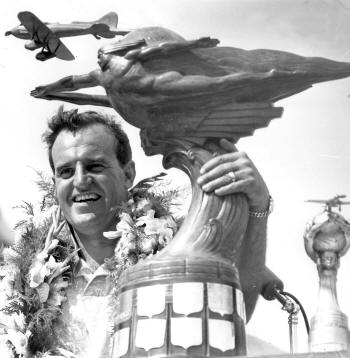
Joe DeBona's victory smile
Joe DeBona
Stan Reaver
Herman "Fish" Salmon
Donald Bussart
L J Cameron
Vincent Perron
Bendix "J"
division
|
Place |
Pilot |
Aircraft |
Speed |
Time |
|
1 |
Maj. Vernon Ford | F-84E | 529.614 | 3:45:51 |
| 2 | Capt. J W Newman | F-84E | 524.620 | 347:00 |
| 3 | Lt. Col. L E Moon | F-84E | 524.551 | 348:02 |
| 4 | Capt. H M Lester | F-84E | 514.747 |
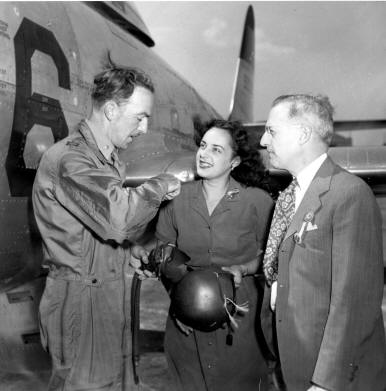
Major Vernon Ford, his wife and Mr. Ferguson
of the
Bendix Corp.
(Bill Meixner Collection)
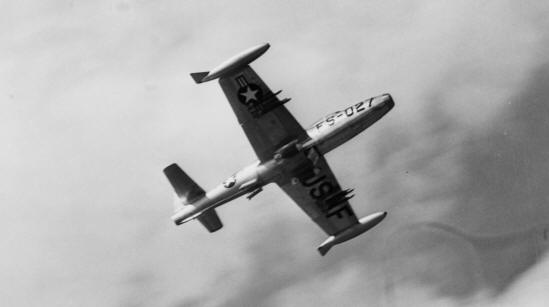
F-84E
New Race Course and race changes
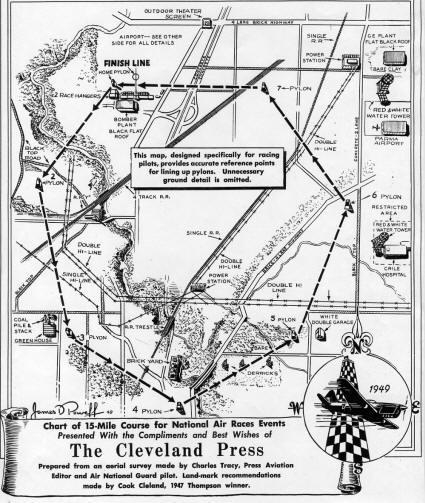
The race course laid out for the 1949 races
saw a major change that would prove
popular to not only the race pilots but also to the thousands of residents
living within
several miles of the Cleveland Municipal Airport. Instead of the 15 mile
quadrangular
four pylon layout, the new course had seven pylons with each side about 2 1/7
miles
long. The pilots were pleased that none of the turns was more than 55
degrees
and the new course passed over open territory eliminating a lot of undesirable
noise
for local residents. The civil aeronautics inspector said it was the best he had
seen.
Spectators in the grandstands liked it because
more of each race was visible.
Other changes concerned the Sohio and the Tinnerman races. The top 20 qualifiers
for the Thompson Trophy Race were divided into two groups,
qualifying positions
1, 3, 5, 7, 9, 11, 13, 15, 17 and 19 would fly in the Sohio race if they
elected to do so.
Qualifying positions 2, 4, 6, 8, 10, 12, 14, 16, 18, and 20 would fly the
Tinnerman race
if they elected to do so.
Sohio Trophy Race
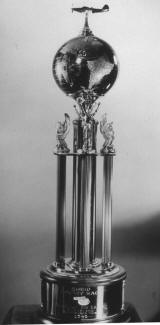

Flying for the first time ever in a closed course race was world famous Bill
Odom.
In August 1947 Odom set a new round-the-world solo speed record--19,645 miles
in 73 hours five minutes. In March of 1949 Bill Odom flew a Beech
Bonanza solo
non-stop from Honolulu Hawaii to Teterboro New Jersey.
Odom was chosen to
pilot the most radical modified P51B recently purchased by
aviatrix Jacqueline
Cochran who planned to race the P-51 in next years
Bendix cross country race.
|
Place |
Pilot |
Race No |
Aircraft |
Speed |
|
1 |
Wm Odom |
7 |
P-51 |
388.393 |
|
2 |
Ron Puckett |
18 |
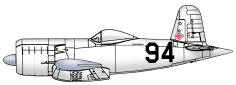
Corsair F2G |
384.888 |
|
3 |
Chas. Tucker |
30 |
P-63 |
381.529 |
|
4 |
Steve Beville |
77 |
P-51D |
376.719 |
|
5 |
Ken Cooley |
37 |
P-51D |
373.437 |
|
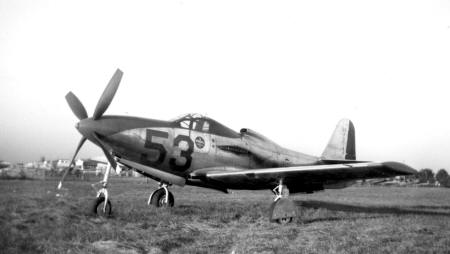
6 |
Frank Singer |
53 |
P-63 | 359.060 |
|
7 |
M.W. Fairbrother | 21 | P-51D | 349.602 |
|
8 |
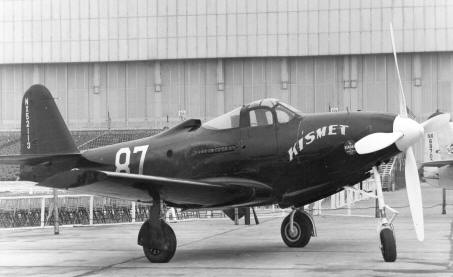
A.T. Whiteside | 87 | P-63 | 330.359 |
|
9 |
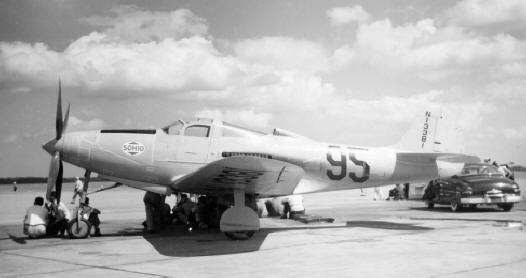
James Harp | 95 | P-39Q | 329.596 |
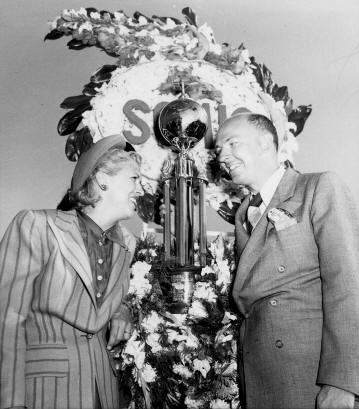
Bill Odom and Jackie Cochran with Sohio Trophy
(Bill Meixner collection)
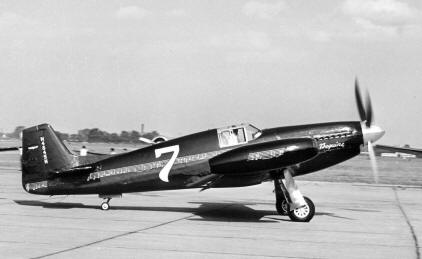
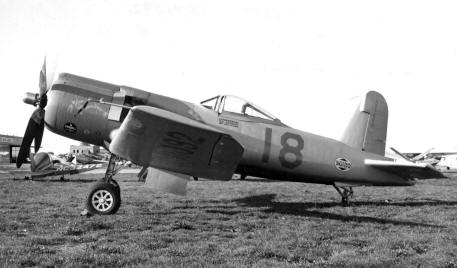
Bill Odom Ron Puckett
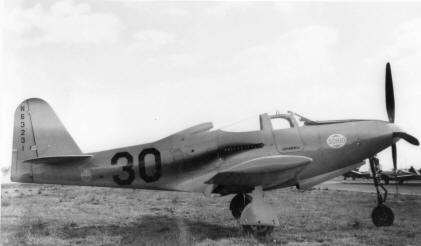
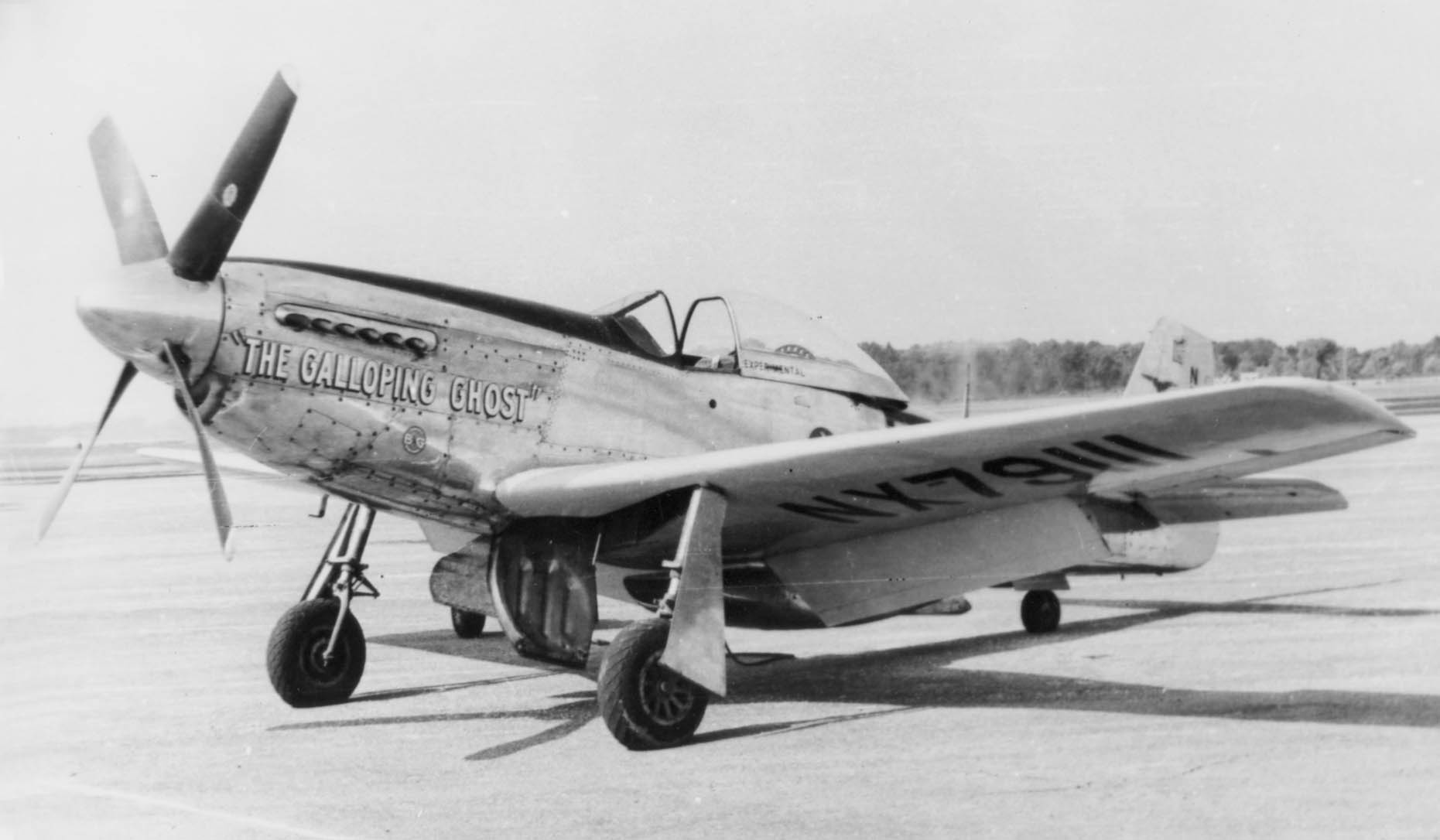
Charles Tucker
Steve Beville
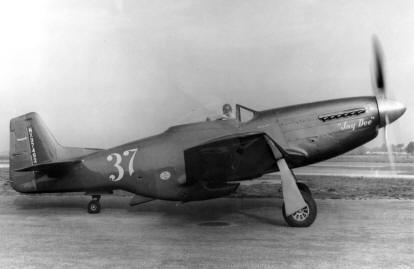
Ken Cooley
Frank Singer
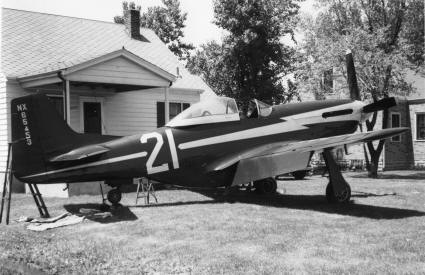
M. W. Fairbrother
A .T. Whiteside
James Harp
Tinnerman Trophy Race
Another first time pilot to fly in the 1949 National
Air Races was another local ex-Navy
pilot, Ben McKillen flying Cook Cleland's third F2G Corsair.
Unlike Cleland's other
two
F2G's Ben chose to keep it almost stock including retaining the
sub-rudder, used
to
offset the torque of the powerful P&W R-4360 engine and the operational
flaps.
Ben chose a right red color scheme with sunburst stripes on wings
and
elevators.
Also one propeller blade was painted white to give the effect of a slow turning engine.
The second foreign aircraft and pilot to be entered in the 1949 races was
a Supermarine
Spitfire Mark XIV powered by a Rolls Royce Griffin 65 engine.
This was the only
racer
retaining
all it's standard features. Piloted by Canadian J.H.G. McArthur, didn't
meet
expectations
|
Place |
Pilot |
Race No |
Aircraft |
Speed |
|
1 |
Ben McKillen |
57 |
F2G |
386.069 |
|
2 |
Wilson Newhall |
65 |
P-51 |
379.735 |
|
3 |
J.H.G. McArthur |
80 |
Spitfire Mk X1V |
359.565 |
|
4 |
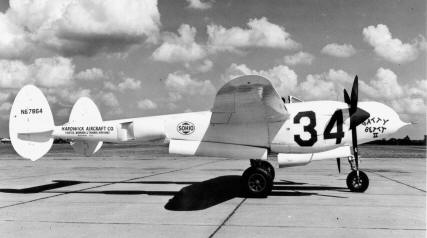
Jack Hardwick |
34 |
P-38 |
328.470 |
|
5 |
J.P. Hagerstrom |
14 |
P-38 |
311.598 |
|
|
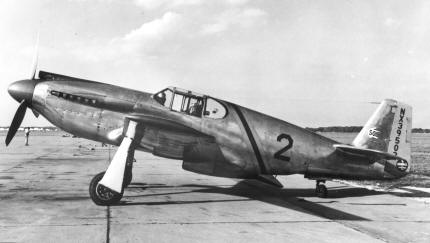
James Hannon |
2 |
P-51A |
* |
|
|
H.S. Gidovlenko |
25 |
P-38 |
** |
|
|
Anson Johnson |
45 |
P-51D |
*** |
|
Cook Cleland |
94 |
F2G |
**** |
* Out 7th Lap
** Out 3rd Lap
*** Did not Start
**** Did not Start
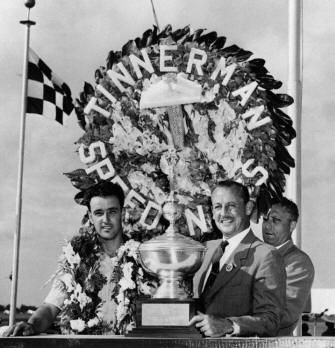
Ben McKillen receiving Tinnerman Trophy
(Bill Meixner Collection)
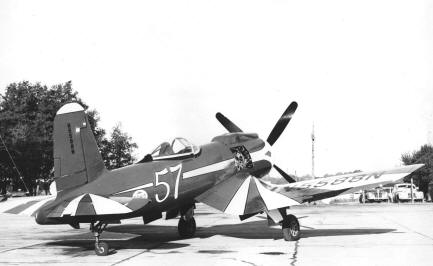
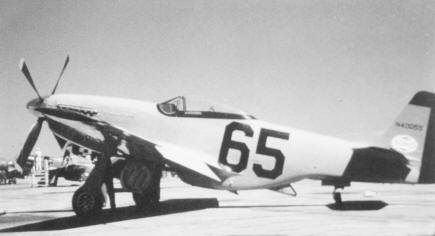
Ben McKillen
Wilson Newhal
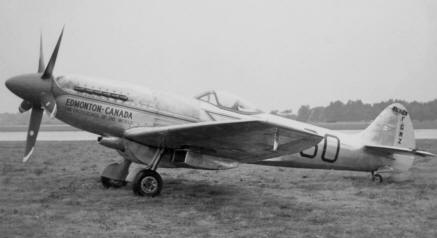
J.H.G. McArthur
Jack Hardwick
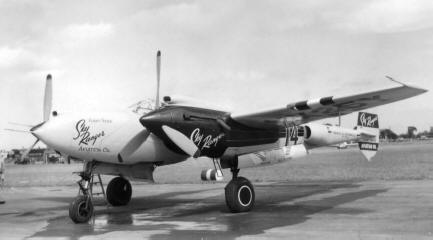
J.P. Hagerstrom
James Hannon
(Bob Christensen Collection)
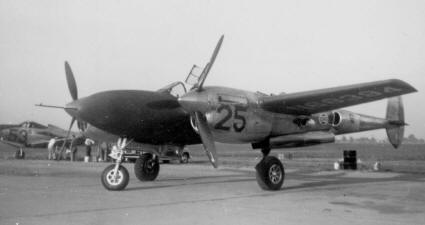
H.S. Gidovlenko
Goodyear Trophy Race
The Goodyear race course was modified slightly
this year to include two more pylons.
The rectangular
course with the 90 degree turns
will have a pylon added to each end
to provide a more circular sweep around the course.
The 1 3/4
mile course will be
inside the Airport property and the entire course will be visible from the grandstands.
For the first time sabotage darkened the Cleveland
Air Races when a disgruntled
pilot ripped a piece of fabric from the
wing of Steve Beville's racer "Little Spook".
The intoxicated pilot who was a competitor in last years
race mistook Steve Beville's
racer "Little Spook" for "Little Rebel."
Both planes are
similar in size and in appearance.
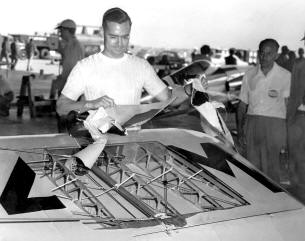
Steve examining damage to wing fabric.
|
Place |
Pilot |
Race No |
Aircraft |
Speed |
|
1 |
Bill Brennand |
20 |
Buster |
177.340 |
|
2 |
Keith Sorensen |
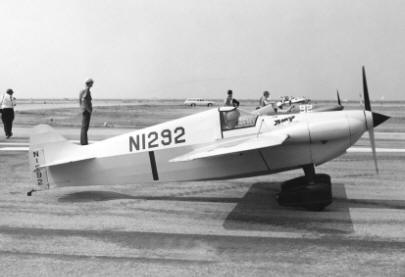
39 |
Deerfly |
176.726 |
|
3 |
Steve Wittman |
1 |
Bonzo |
176.244 |
|
4 |
Vincent Ast |
5 |
Ballerina |
175.974 |
|
5 |
Fish Salmon |
4 |
Minnow |
175.728 |
|
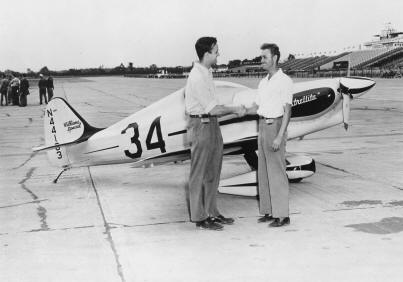
6 |
Cliff Mone |
34 |
Estrellita |
175.016 |
|
7 |
Bob Downey |
16 |
Shoestring |
171.359 |
|
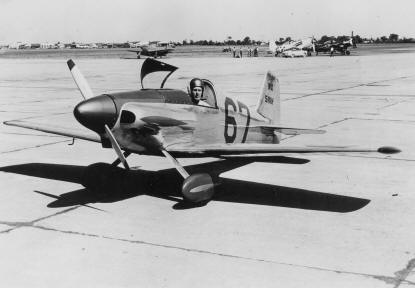
8 |
Luther Johnson |
67 |
Peashooter |
167.308 |
|
9 |
James Kistler |
31 |
Kistler Spec. |
153.369 |
|
* |
Al Foss |
94 |
Jinny |
|
* Out 12th lap
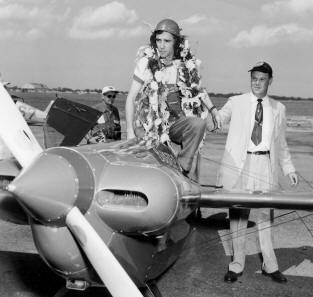
Bill Brennand
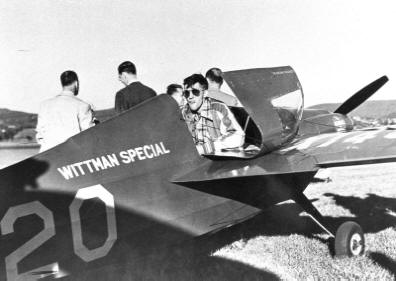
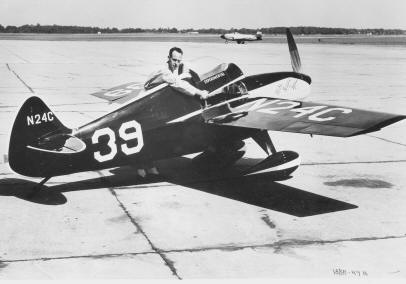
Bill Brennand
Keith Sorensen
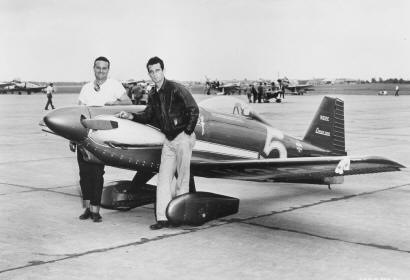
Steve Wittman
Vincent Ast
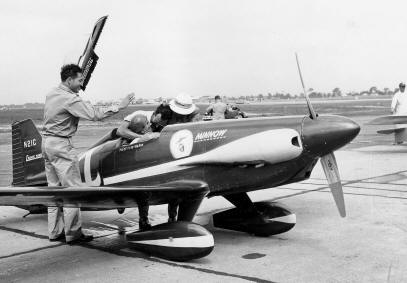
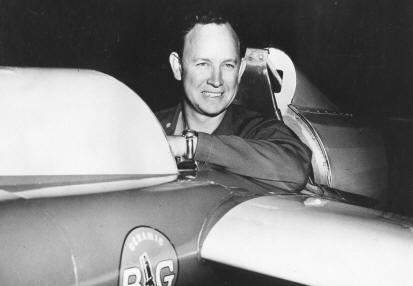
Fish Salmon
Cliff Mone
Bob Downey
Luther Johnson
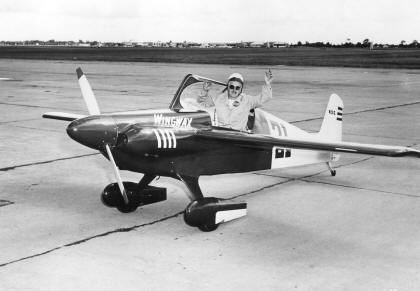
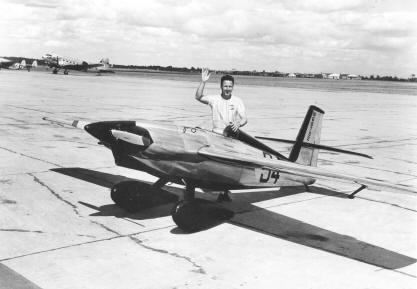
Jim Kistler
Al Foss
Women's
Trophy Race
No sponsor could be found for the Women's race. The air race management
provided the purse of $5,500. There were new rules also for the Women's Trophy
Race.
The AT-6s and SNJ's had to retain their stock engines. Wings could not
be clipped. The race came close to being cancelled due to lack
of entries. Six
aircraft were entered but only four raced. The 1948 winner Grace Harris dueled
with Katherine Landry for first place
while having to fight off Betty Skelton's
attempts to pass. While Skelton was in third place on lap three,
her oil
line ruptured,
splattering oil over the wind screen and causing the loss of visibility. She
reduced
power and some of the oil cleared enough for Skelton to see Helen McBride pass
her. Skelton was able to follow McBride around the course and
landed in fourth
place.
When interviewed by the media Skelton said she wanted to race again
next year
|
Place |
Pilot |
Race No |
Aircraft |
Speed |
|
1 |
Grace Harris |
44 |
AT-6 |
216.673 |
|
2 |
Katherine Landry |
31 |
SNJ-3 |
214.876 |
|
3 |
Helen McBride |
91 |
SNJ-3 |
210.097 |
|
4 |
Betty Skelton |
45 |
AT-6A |
208.594 |
|
* |
Jane Page |
28 |
CW-22B |
* Did not start
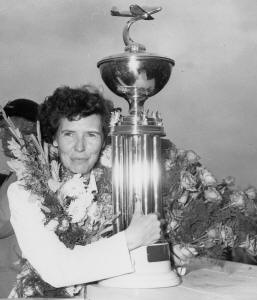
Grace Harris
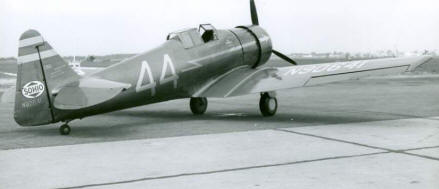
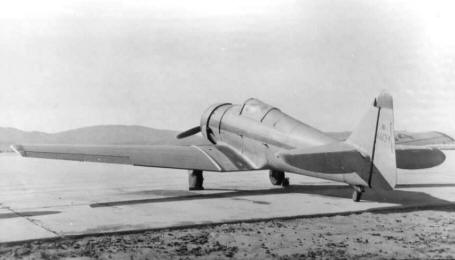
Grace Harris
Katherine Landry
Don Berliner collection)
(Don Berliner Collection)
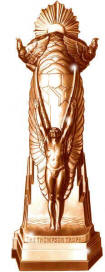
The Thompson Trophy
Race
"R" Division
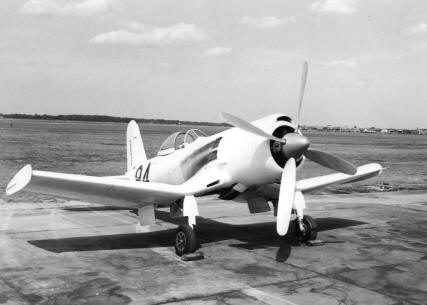
Cook Cleland, who suffered a great
disappointment in the 1948 Thompson Trophy Race
when he and Becker were forced out with mechanical problems worked very hard preparing
for this year's classic. Cleland and Becker would be joined by Ben
McKillen in Cleland's third
F2G. Becker's # 74 remained pretty much the same. However Cleland
clipped another four
feet from each wing of # 94 reducing the span to 33
feet. Wing tip plates were added to
increase roll rate and reduce wing-tip vortices. A hydrogen
peroxide injection system was
installed
but it was never used. The propeller blades were chrome plated and a large
spinner
added.
Dick Becker in # 74 was the fastest qualifier at 414.592 mph. Unfortunately at the very
end
of the qualifying run gears stripped in the front case and Dick climbed for
altitude thinking
he
might have to jump. He was able to make a safe dead-stick
landing. The rules prevented
a
engine change after qualifying so the aircraft was withdrawn. Ron
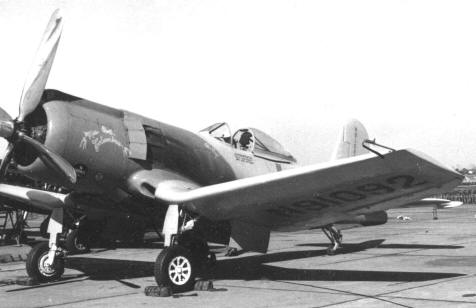
Puckett was back with his
F2G with a new paint job and the sub-rudder removed.
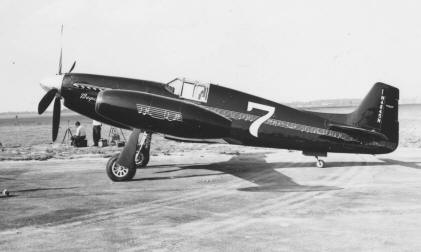
The most radically modified racer was
the P-51C entered by Jackie Cochran and piloted by
round-the-world record holder Bill Odom. This P-51C was modified
by then owner J.D. Reed
of Houston Texas. Reed was the largest
Beechcraft Dealer in the US and close friend of Walter
Beech. Reed
very much wanted to win a Thompson Trophy. Beech came up with the idea
to remove the
glycol and oil radiators from the belly of the airframe
and to install them out on
the
wingtips encased in pods to reduce the drag from the
large original air scoop.
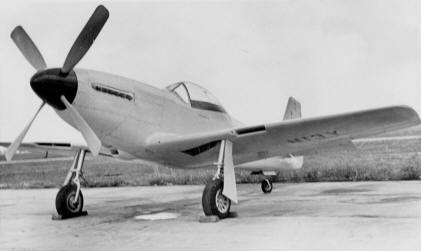
Anson Johnson,
last years winner was back with major modifications to the
P-51D Mustang.
Johnson also removed the large
air scoop but he took a different approach and placed the
coolers inside the
wing where the gun bays had been. Intake scoops were installed in the wing
leading
edge and exhaust vents on top of the wing.
Ben McKillen
was given the pole position as the ten aircraft lined up for what would be
the last
race-horse-start
of a major race. McKillen was first off the ground and
led the pack for the
first lap. Bill Odom was
seventh off the ground. By the end of the first
lap he was in third
and closing on McKillen. Early in the
second lap Odom and Beville were almost side
by side
when they both turned pylon two. Beville leveled out heading for pylon three. when he noticed
that Odom
had straightened out as he was headed for pylon
four, Beville saw that Odom tried
to recover but the P-51 went inverted and the nose was starting
down.
Beville realized that with
Odom
inverted with the nose starting down at this altitude and speed there was no chance of
recovery. He saw Odom crash into a house.
On lap three Cleland and Puckett passed
McKillen.
Anson Johnson was unable to retract his
gear until
the second lap which
caused him to fall
behind. By the ninth lap seven of Johnson's exhaust stacks
had
burned
off and the engine
was throwing oil, and he retired. The big engined Corsair's took
the top three places followed
by
Beville in # 77 P-51D , Tucker in #30 P-63 and
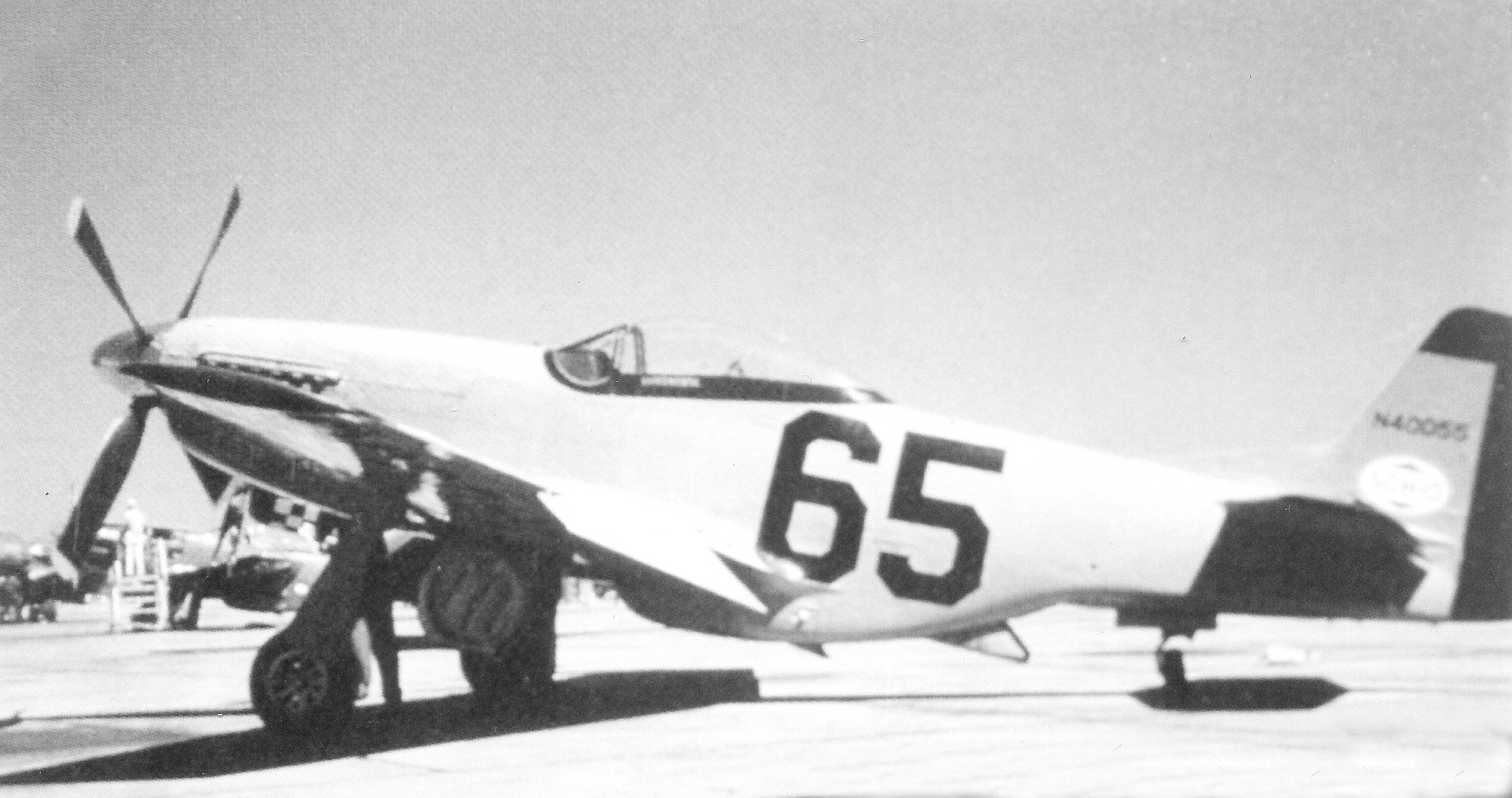
Hagerstrom in JD's P-51D # 37, Newhall
in
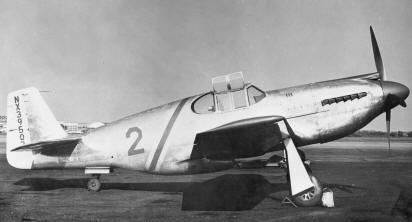
P-51K # 65 and Jim Hannon in P-51A # 2 .
The house Bill Odom crashed into had been recently completed and the Laird family
had only
been
in the house for only five days. Jeanne, wife and mother was in the bathroom
doing some
cleaning
and was not interested in watching the air races.
Jeanne died instantly From the
explosion. Gregg, the infant was in a playpen outside the
garage when the crash occurred
and was severely
burned, Gregg died a few hours later in the hospital. Jeanne
died instantly
from the
explosion. Bradley Laird and their son David were outside
playing catch and were not
injured.
Many people, if not most, believe that the
tragic crash taking three lives was the reason
the races ended
in Cleveland. Yes it did have
some bearing on future races in that it was
decided to eliminate the Military surplus plane sand try to
develop new classes of owner-built
machines. A new course was laid out and
the sanctions were approved. The two principal
reasons it ended were; 1. as of June 1950 we were now at war
in Korea and the Secretary of
Defense informed race
officials that none of our
military services would now send any aircraft
or personnel. 2.The large building where the
grandstands were located was converted into a
tank plant. The grandstands
were
removed and donated to a college. With no military presence
and no site, the races could not continue.
|
Place |
Pilot |
Race No |
Aircraft |
Speed |
|
1 |
Cook Cleland |
94 |
F2G Corsair |
397.071 |
|
2 |
Ron Puckett |
18 |
F2G Corsair |
393.527 |
|
3 |
Ben McKillen |
57 |
F2G Corsair |
387.589 |
|
4 |
Steve Beville |
77 |
P-51D |
381-214 |
|
5 |
Charles Tucker |
30 |
P-63 |
378.340 |
|
6 |
James Hagerstrom |
37 |
P-51D |
372.719 |
|
7 |
Wilson Newhall |
65 |
P-51K |
372.320 |
|
8 |
James Hannon |
2 |
P-51A |
300.396 |
|
* |
Anson Johnson |
45 |
P-51D |
|
|
** |
Bill Odom |
7 |
P-51C |
* Out 9th lap gear and exhaust stack
problems
** Crashed 2nd lap fatal
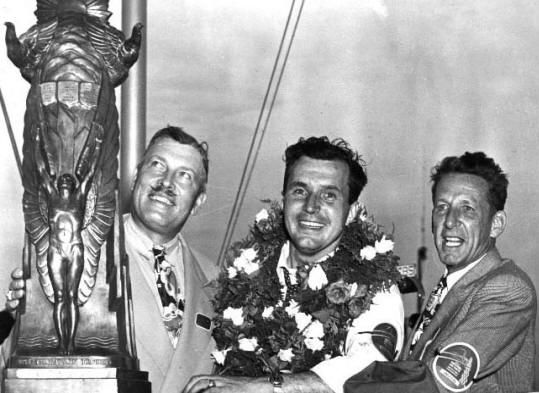
Cook Cleland with Roscoe Turner (L) and Fred Crawford
(R)
Cook Cleland
Ron Puckett
(Robert Smith Photo)
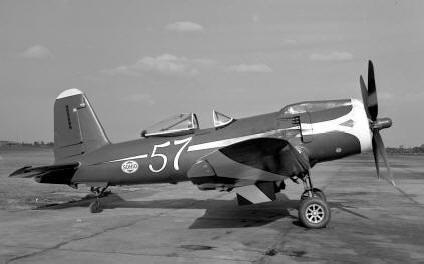
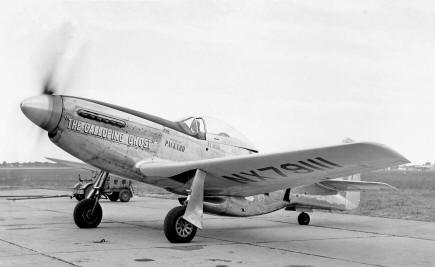
Ben McKillen
Steve Beville
(H G Martin Photo)
(Bill Meixner Collection)
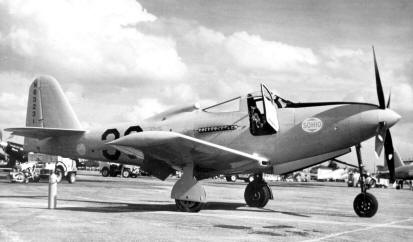
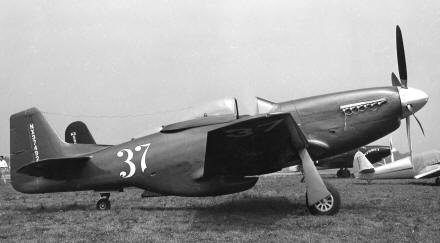
Charles Tucker James Hagerstrom
(Robert Smith Photo)
Wilson Newhall
James Hannon
(John Dienst Collection)
Anson Johnson
Bill Odom
(Bill Meixner Collection)
(John Dienst Collection)
The Thompson Trophy
Race
"J" Division
Four Air Force F-86A Sabers were entered in the "J"
Division of the Thompson Trophy
Race but one was unable to start due to engine trouble. The three flew
the five mile course
at such high speeds that it was estimated that they actually
flew 25 miles each lap. During
the second lap Captain Vernon Henderson pulled
out of the race after a high "G" turn broke
the bolts holding the seat in place. Captain
Vernon was able to control the jet while in a
crouching position to make a safe landing. Captain Johansen also
had a problem when a
10 x 16 inch inspection door flew open on
the left wing causing considerable drag,
Johansen had just taken the lead when a check of his fuel supply
required him to throttle
back thereby losing his lead. When he landed he did
not have enough fuel left to taxi to
the
hangars. Captain Cunningham was doing well until he made the last high speed
turn,
that's
when most of his elevator was torn off causing him to consider ejecting the aircraft.
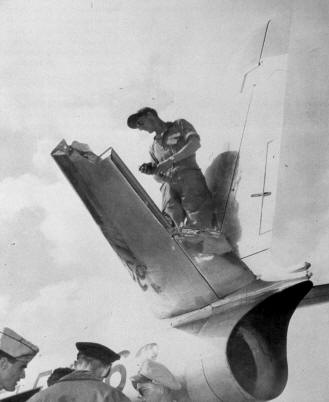
Tail of Capt. Cunningham's F-86A
|
Place |
Pilot |
Aircraft |
Speed |
|
1 |
Capt. Bruce Cunningham |
F-86A |
586.173 |
|
2 |
Capt. Martin Johansen |
F-86A |
580.152 ** |
|
* |
Capt. Vern Henderson |
F-86A |
* Out 2nd lap seat broke
** Capt. Johnson's fastest lap 635.444 mph
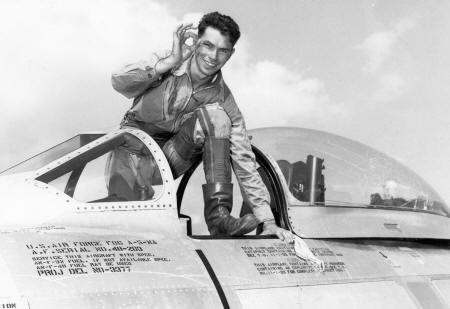
Captain Bruce Cunningham
Special Color
Photo section
I would like to offer many thanks to Air Race photographer and fellow Society member, Dr. Aaron
King of
Atlanta GA who took these great color slides while
visiting the Cleveland Air Races.
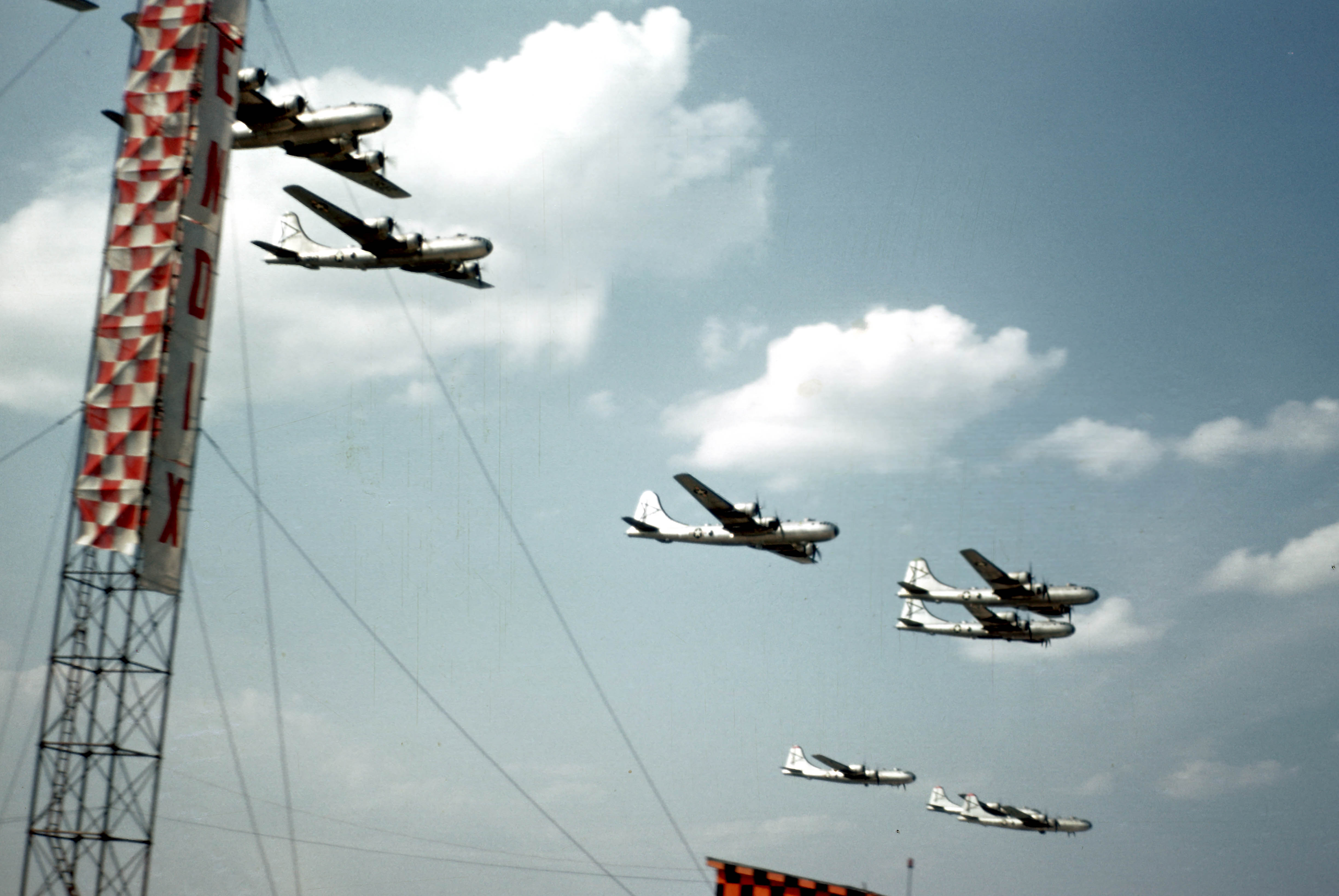
B-29's in review
(Aaron King photo)
SOHIO Trophy Race
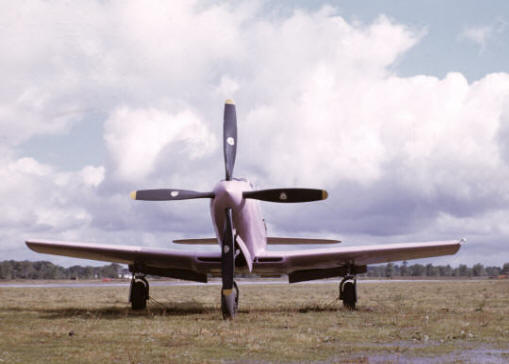
Charles Tucker #30 P-63 "Easter Egg"
(Aaron King photo)
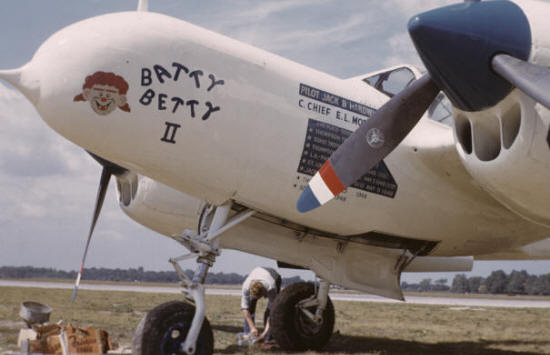
Jack Hardwick's P-38 Batty Betty No34
(Aaron King photo)
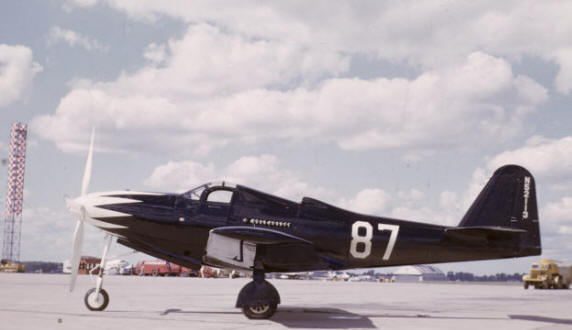
A. T. Whiteside's Black & White P-63 No87
(Aaron King photo)
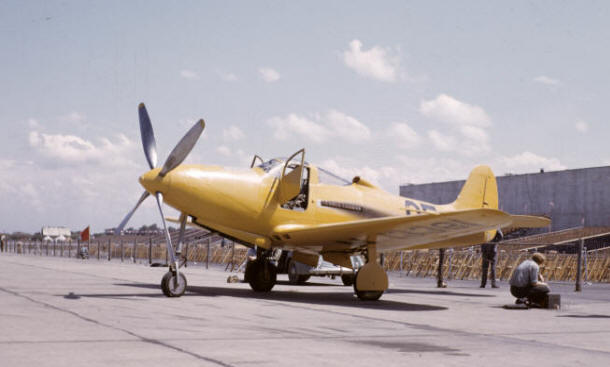
James Harp's Yellow P-39 No95
(Aaron King photo)
Tinnerman Trophy Race
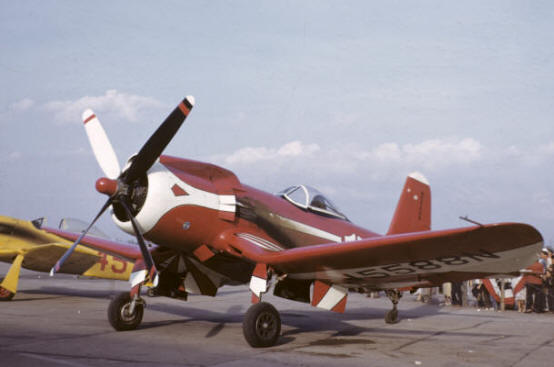
Ben McKillen's F2G Corsair No57
(Aaron King photo)
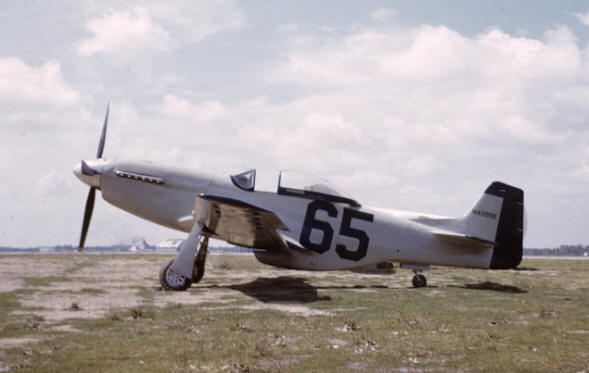
Vincent Newhall's P-51D No65
(Aaron King photo)
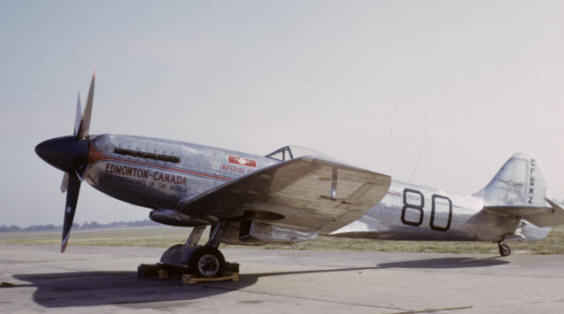
J.H.G. McArthur's Spitfire Mk. XIV No80
(Aaron King photo)
Goodyear Trophy Race
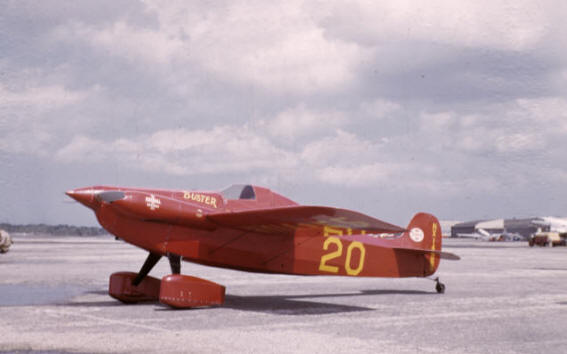
Bill Brennand flew "Buster" No20
(Aaron King photo)
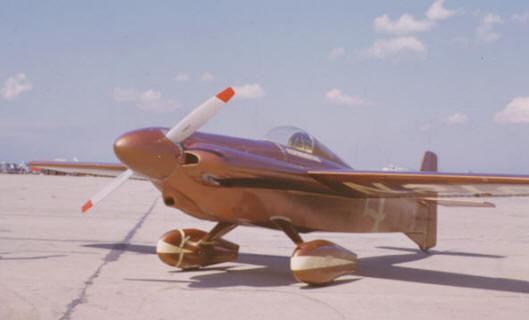
Fish Salmon's "Minnow" No4
(Aaron King photo)
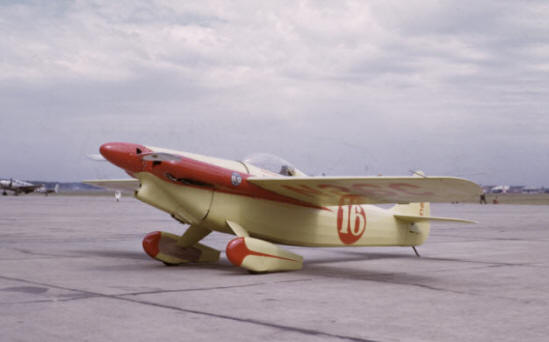
Bob Downey's Shoestring No16
(Aaron King photo)
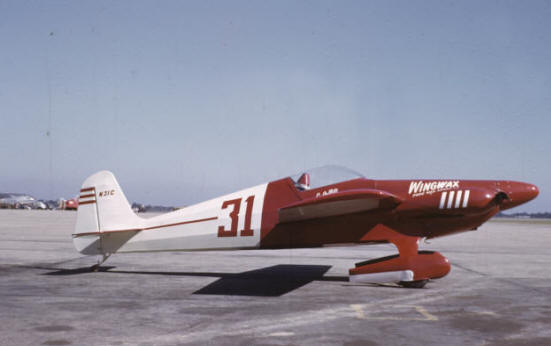
James Kistler's "Wingwax" No31
(Aaron King photo)
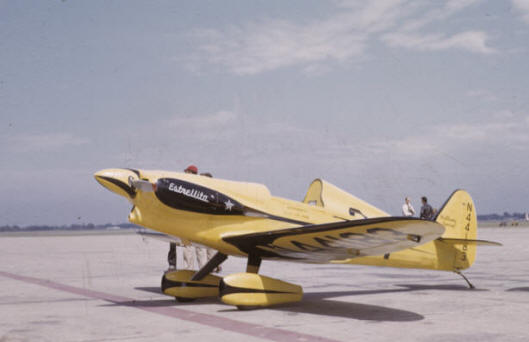
Cliff Mone's "Estrellita" No34
(Aaron King photo)
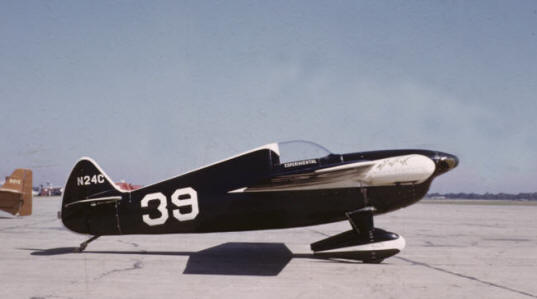
Keith Sorensen's "Deerfly" No39
(Aaron King photo)
Women's
Trophy Race
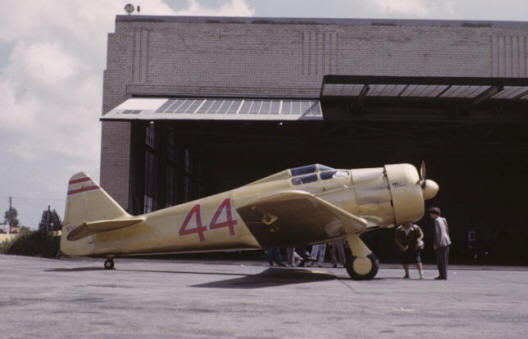
Grace Harris's No44
(Aaron King photo)
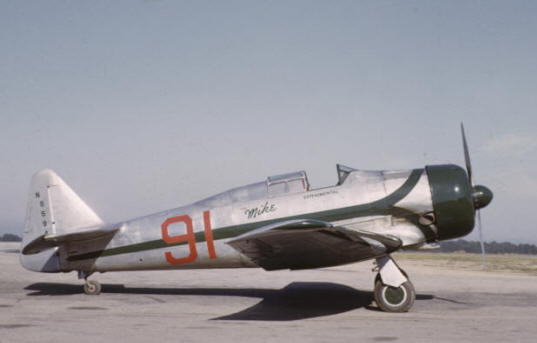
Helen McBride's No91
(Aaron King photo)
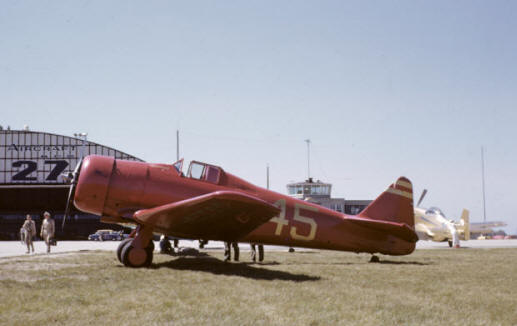
Betty Skelton's No45
(Aaron King photo)
The Thompson Trophy
Race
"R" Division
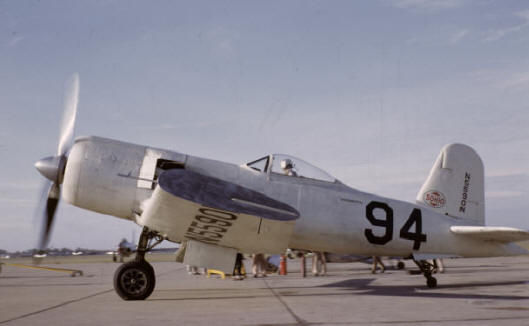
Cook Cleland's F2G Corsair No94
(Aaron King photo)
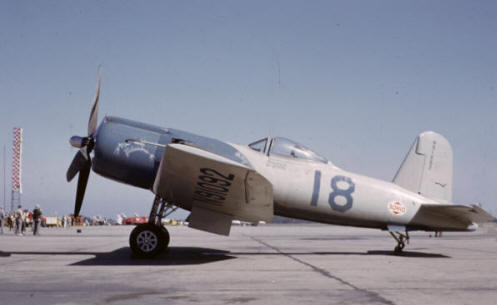
Ron Puckett's F2G Corsair No18
(Aaron King photo)
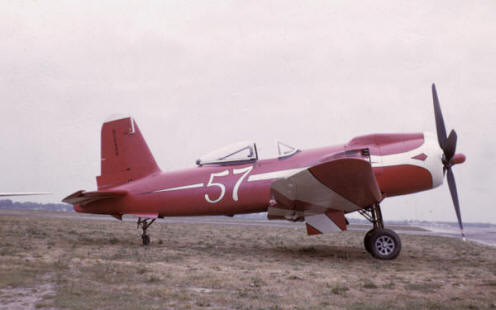
Ben McKillen's F2G No57
(Aaron King photo)
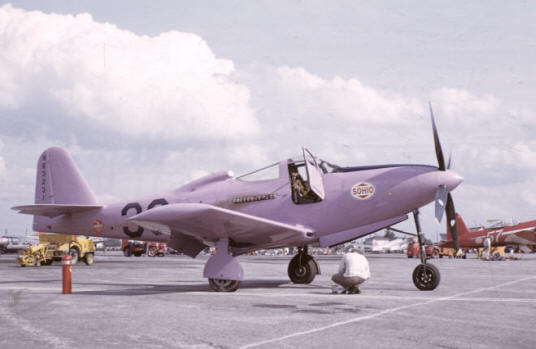
Charles Tucker's P-63 No30
(Aaron King photo)
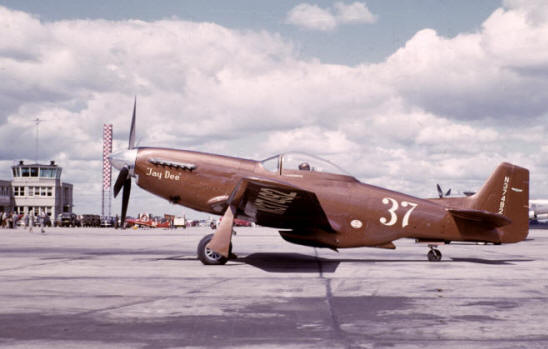
James Hagerstrom P-51D No37
(Aaron King photo)
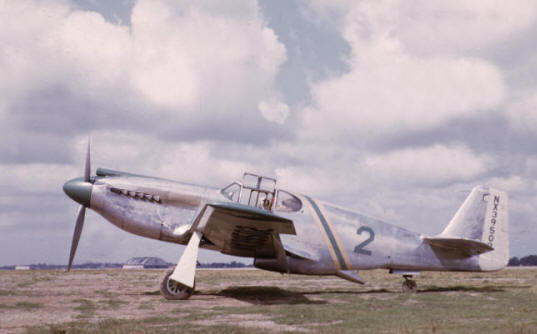
James Hannon's P-51A No2
(Aaron King photo)
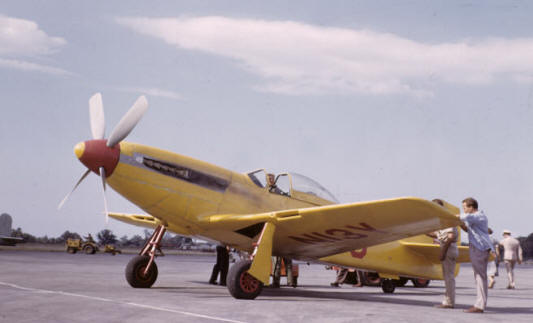
Anson Johnson's P-51D No45
(Aaron King photo)
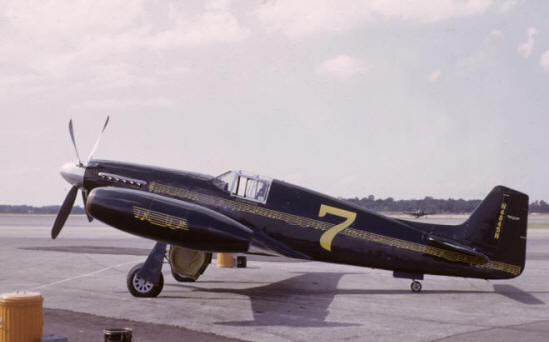
Bill Odom's P-51C "Beguine" No7
(Aaron King
photo)
The Thompson Trophy
Race
"J" Division
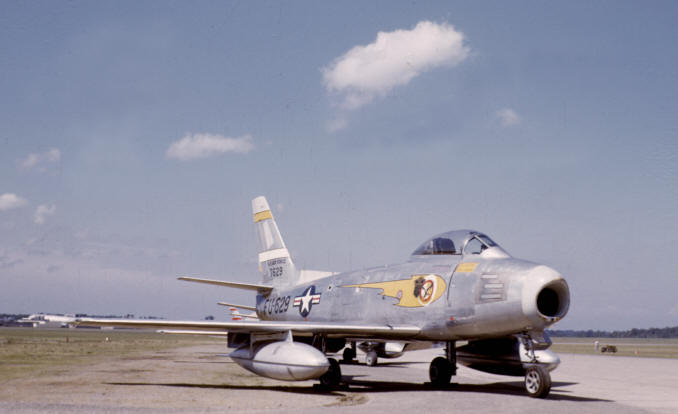
One of the F-86's at Cleveland
(Aaron King photo)
Home
Photo's are from the Hansen collection unless otherwise noted.
 Please send comments to
Bill Meixner
Please send comments to
Bill Meixner
You are the
th
person to pop in on us since July, 14th 2009. Thank You for landing, please
go-around and land again later.